





Turn Crusher Dust Into Profit
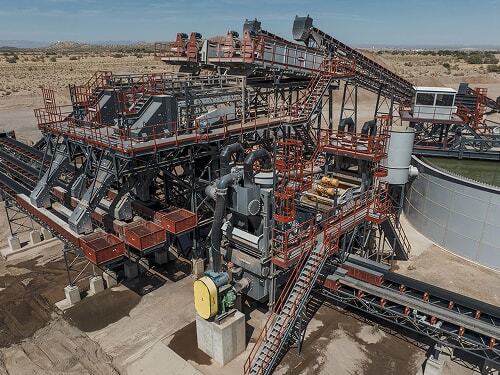
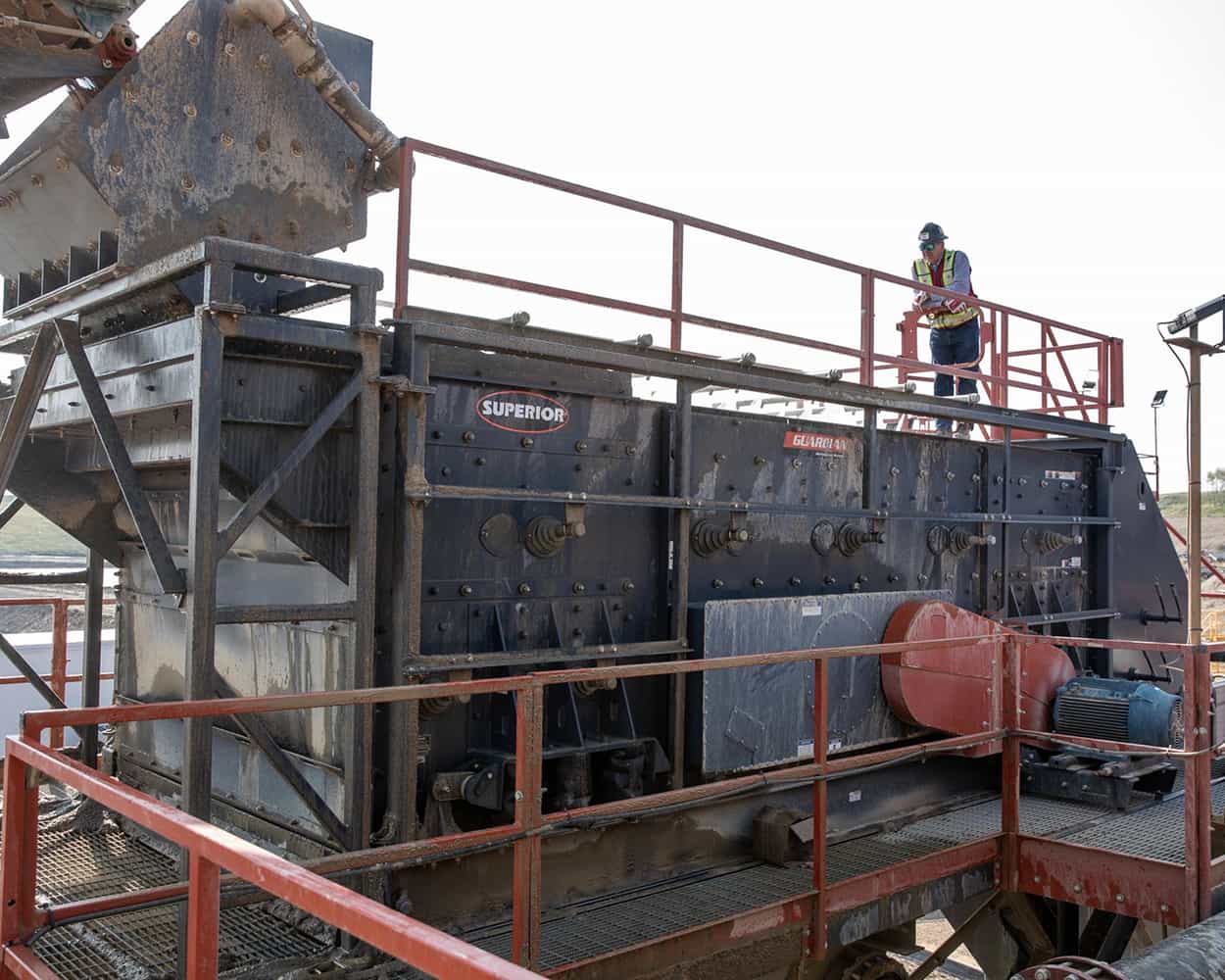
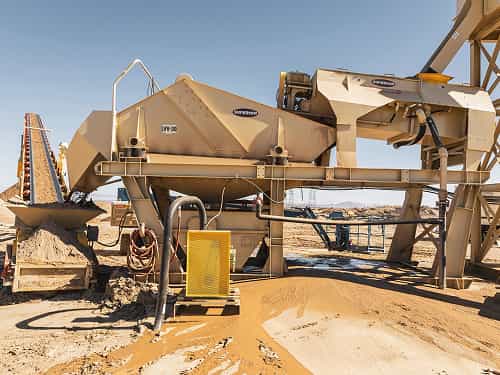
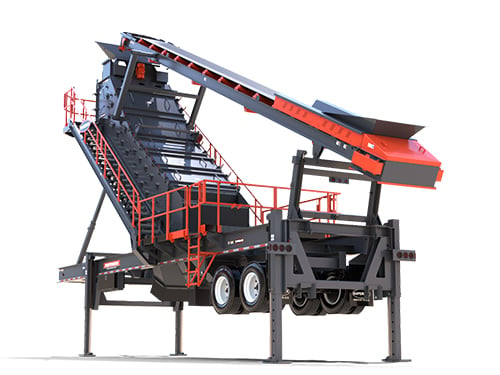
Instead of hauling crusher dust to a separate wash site or letting it pile up, the Alliance Low Water Washer turns it into in-spec manufactured sand right at the crushing circuit. It accepts dry feed straight from your crusher, mixes it with just enough water to remove -200 mesh fines, and dewaters the final product to as low as 8 percent moisture.
Because it runs on a fraction of the water required by traditional systems, there’s no need for large ponds or additional conveyors. Producers save on fuel, labor, and water infrastructure while gaining a new, sellable product from material that used to be waste. The result is cleaner sand, less handling, and more profit per ton—all from a compact, patented system built for simplicity and savings.



Advantages

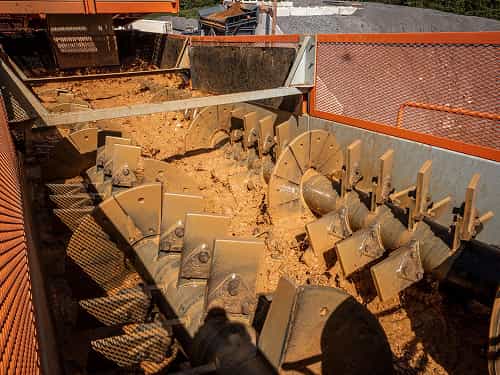
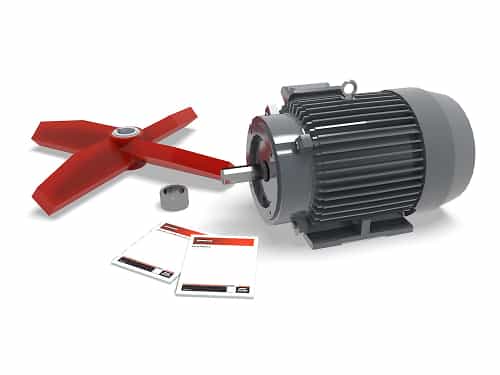
Dry Feed Agitator
This patented design turns dry crusher dust into slurry on contact, allowing producers to process fines without rerouting to a traditional wet plant or adding extra water infrastructure.

Spray Wash Bars
Break up the feed and remove unwanted fines before dewatering, improving sand quality and reducing silt content in the finished product.

Dewatering Screen
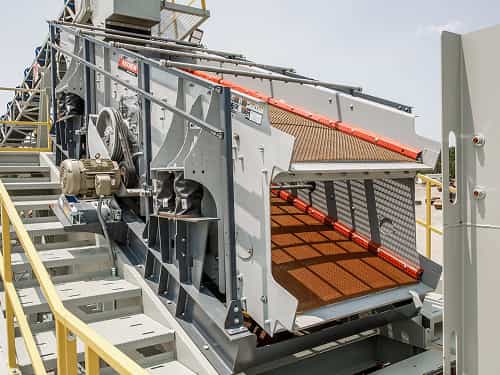
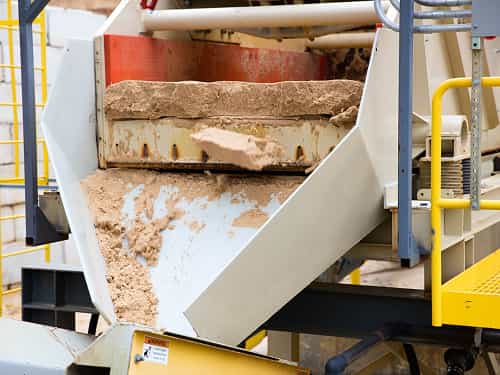
Vibratory action and high open-area media remove excess water as material discharges, producing stockpiled sand with consistent low moisture.

Low-Water Design
Uses up to 80% less water than screw washers, cutting dependence on settling ponds and conserving resources while maintaining product cleanliness. [Patented]

Wash Without the Flood
This animation opens up the Alliance Low Water Washer so you can see the whole cycle at work. A dry feed meets a specially-designed agitator that scrubs and lifts material.
At discharge, the now wet material transfers onto the integrated dewatering screen for rapid drainage and final moisture control. You get effective scrubbing and spec man sand with a fraction of the water and fewer headaches with ponds and permits.
Where to BuyVideos
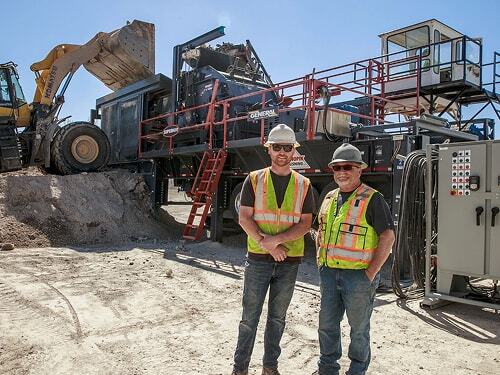
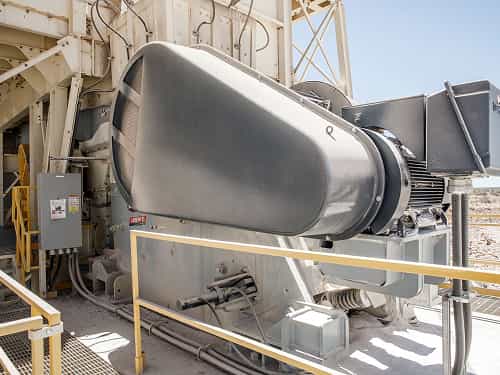
See how the Alliance Low Water Washer put to work at Elmer’s in Michigan is cutting water use, cleaning material, and proving its value from day one.
Rilite Aggregates, based in Reno, NV, needed to reduce its water use to meet tightening government specifications.
Alliance Low Water Washer Models & Specifications
General Specifications
| Model | Capacity | Max Material Size | Screen Size | Screw | Horsepower | Water Consumption | Screen Area | Screen Motor | ||||||||
|---|---|---|---|---|---|---|---|---|---|---|---|---|---|---|---|---|
| TPH | MTPH | in | mm | ft | m | in x ft | mm x m | hp | kW | GPM | m³/hr | ft² | m² | hp | kW | |
| LWW-410 | 60–120 | 54–108 | 1/2″ | 13 | 4' x 10' | 1.2 x 3.0 | 30″ x 12' | 760 x 3.6 | 29 | 22 | 200 | 45 | 82 | 7.7 | (2) 7.0 | (2) 5.3 |
| LWW-510 | 90–180 | 82–164 | 1/2″ | 13 | 5' x 10' | 1.5 x 3.0 | 30″ x 12' | 760 x 3.6 | 38 | 28 | 300 | 68 | 94 | 8.8 | (2) 11.4 | (2) 8.6 |
| LWW-612 | 120–240 | 108–216 | 1/2″ | 13 | 6' x 12' | 1.8 x 3.6 | 36″ x 12' | 915 x 3.6 | 39 | 29 | 400 | 91 | 124 | 11.6 | (2) 9.4 | (2) 7.1 |
| LWW-712 | 150–300 | 136–272 | 1/2″ | 13 | 7' x 12' | 2.1 x 3.6 | 36″ x 12' | 915 x 3.6 | 55 | 41 | 500 | 114 | 137 | 12.8 | (2) 17.4 | (2) 13.0 |