

Transfer & Overland Conveyors
Long runs, steady flow, and rugged construction that handle distance without sacrificing performance or uptime.
Belts That Bring It All Together
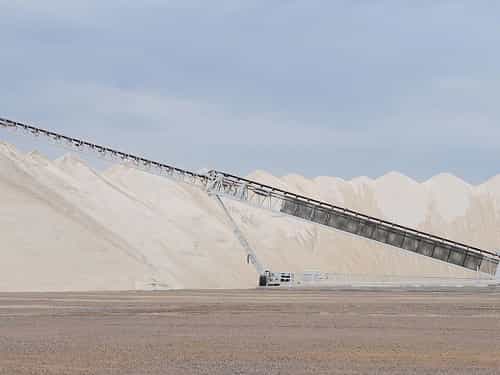
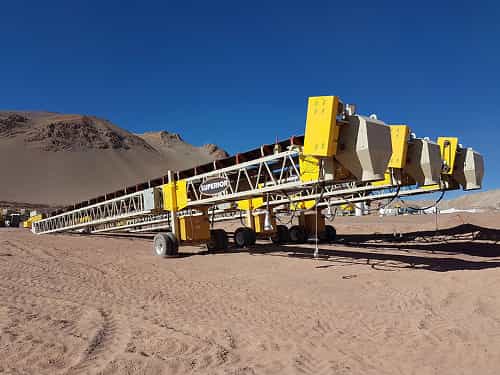
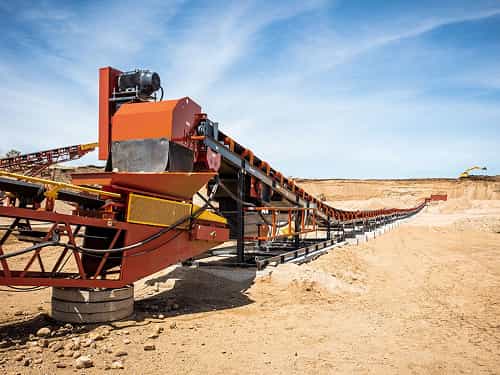
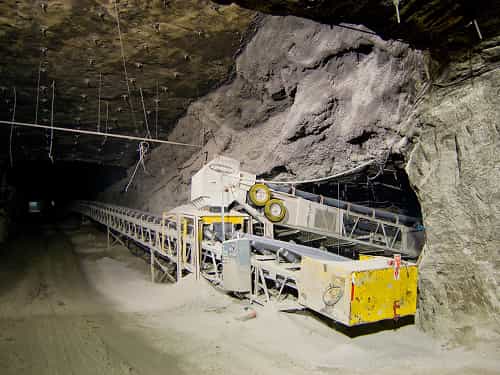
Transfer and overland conveyors connect every part of your operation, keeping material flowing smoothly from one stage to the next. Short, portable transfer conveyors give your plant flexibility, while overland systems handle long runs, quietly replacing fleets of trucks with a more efficient, continuous flow.
They’re engineered for tonnage, terrain, and time. Whether crossing a pit, climbing a grade, or feeding downstream, each conveyor helps tie your operation together and keep production moving from rock face to loadout.


Overland Conveyors vs. Haul Trucks: Which Is More Cost-Effective?
Compare Material Transport Costs, Efficiency and Environmental Impact
Overland conveyors can reduce the cost of transporting aggregate compared to traditional haul trucks by providing continuous material flow, lower maintenance demands and reduced truck traffic. In this cost comparison, an overland conveyor moves material for $0.03 per ton versus $0.43 per ton for haul trucks, demonstrating the potential savings of a properly engineered conveying system.
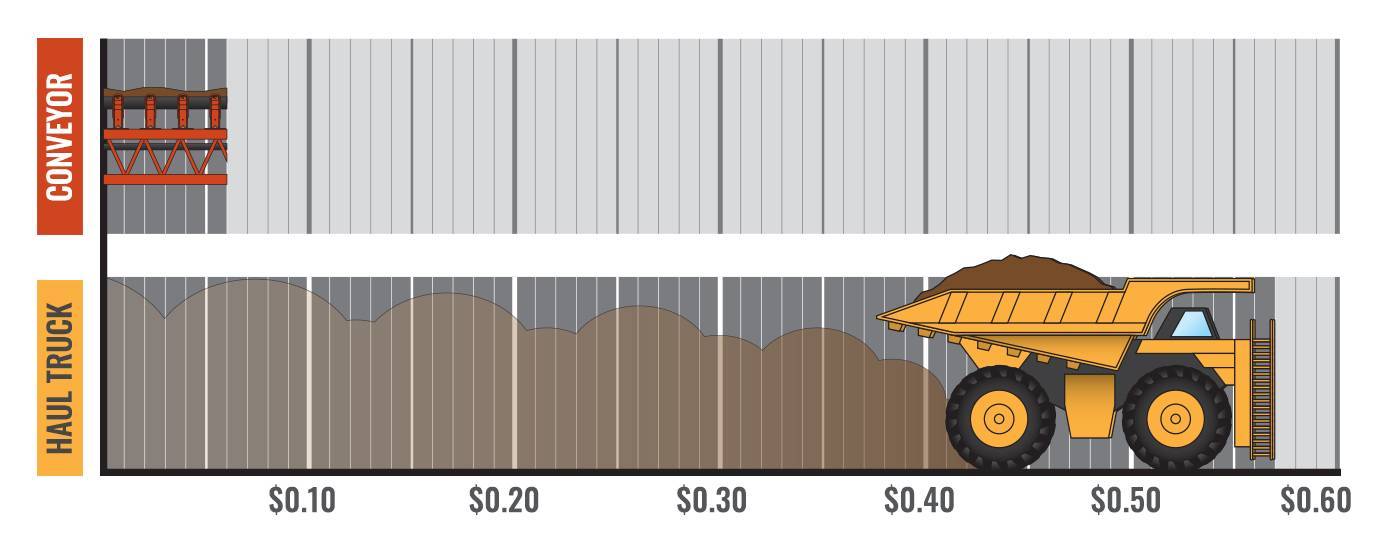
Beyond Cost Per Ton: Comparing the Two
| Comparison Factor | Overland Conveyor | Haul Trucks |
|---|---|---|
| Illustrative Cost Per Ton |
$0.03 per ton |
$0.43 per ton |
| Illustrative Purchase Price | $250,000 for the 42-inch conveyor | $300,000 listed for the haul-truck scenario |
| Depreciation Schedule | 20 years | 7 years |
| Power Source | Electricity; less direct exposure to diesel fuel price fluctuations | Diesel fuel; operating costs exposed to fuel price changes |
| Material Movement | Continuous material flow along a fixed route | Intermittent loads dependent on travel and cycle times |
| Maintenance & Downtime | Conveyor components require scheduled service; brochure highlights local parts availability | Vehicle servicing and maintenance can interrupt hauling operations |
| Inclines & Elevation | Engineered to carry material across elevation changes | Hauling up grades can increase operating demands and cost |
| Dust & Air Quality | Can reduce dust and particulate emissions along the transfer route | Truck movement can stir dust and emit pollutants along the route |
| Noise & Traffic | Fixed conveying route can reduce on-site vehicle traffic | Truck traffic can create noise and traffic concerns |
| Route Flexibility | Best suited to a defined, engineered transfer path | Can be rerouted as material sources or destinations change |
Cost Comparison: Figures are illustrative estimates based on the operating assumptions provided in Superior Industries' Overland Conveyor literature, including a 1,000-foot haul length, 10 operating hours per day, five days per week, and $25/hour labor. Actual costs depend on site conditions, production requirements, equipment configuration, fuel and electricity rates, and maintenance.
Environmental Impact: Dust and emissions performance varies by application, material characteristics, equipment, and environmental controls.

Sorry!
No items currently match your filtering criteria.