





Take Control of Your Gradation
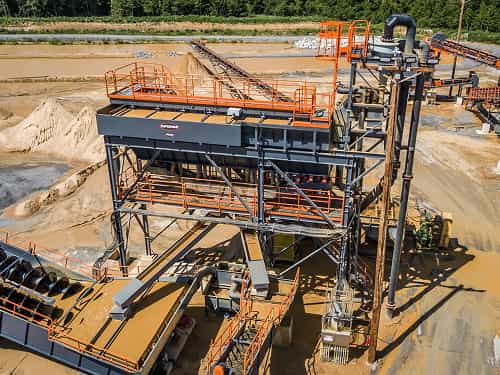
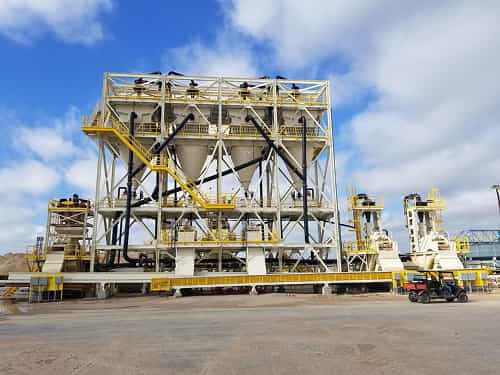
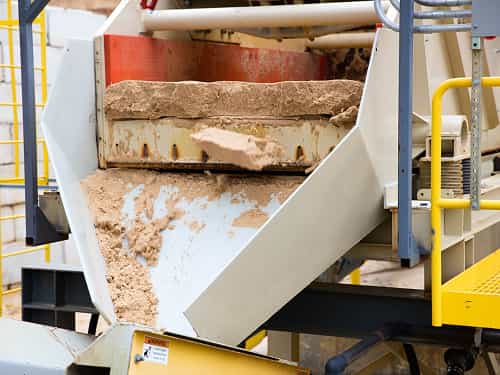
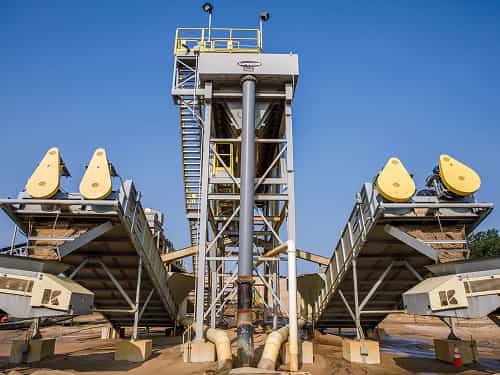
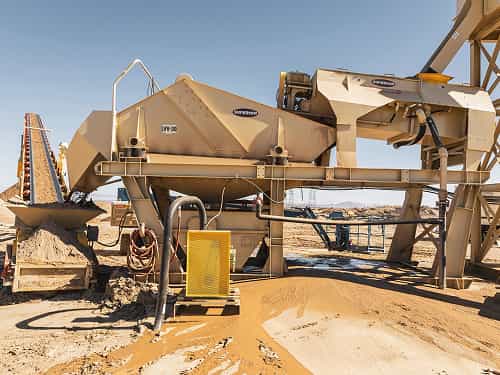
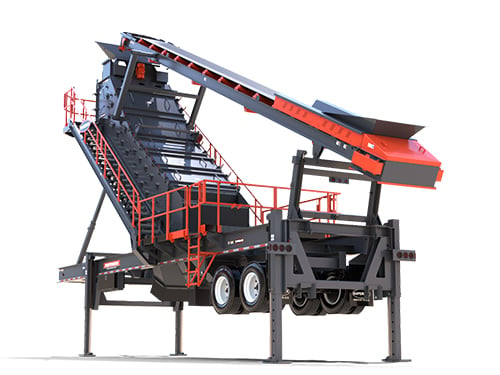
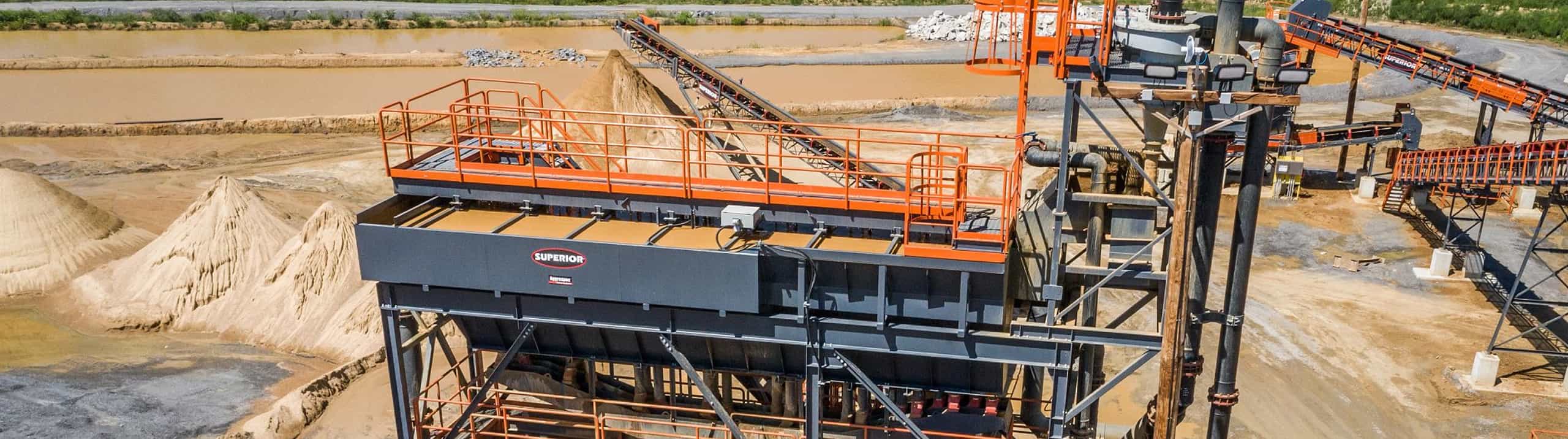
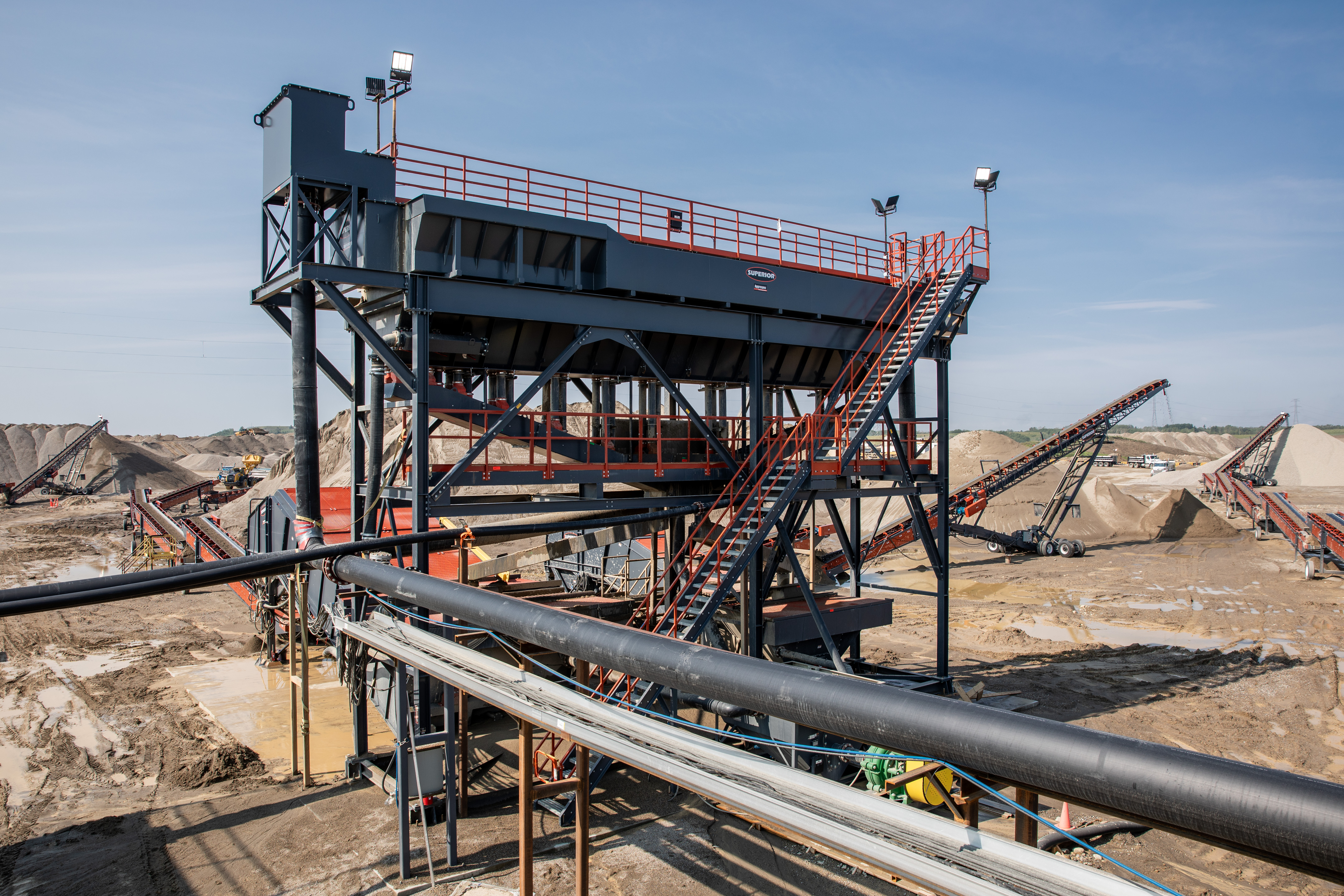
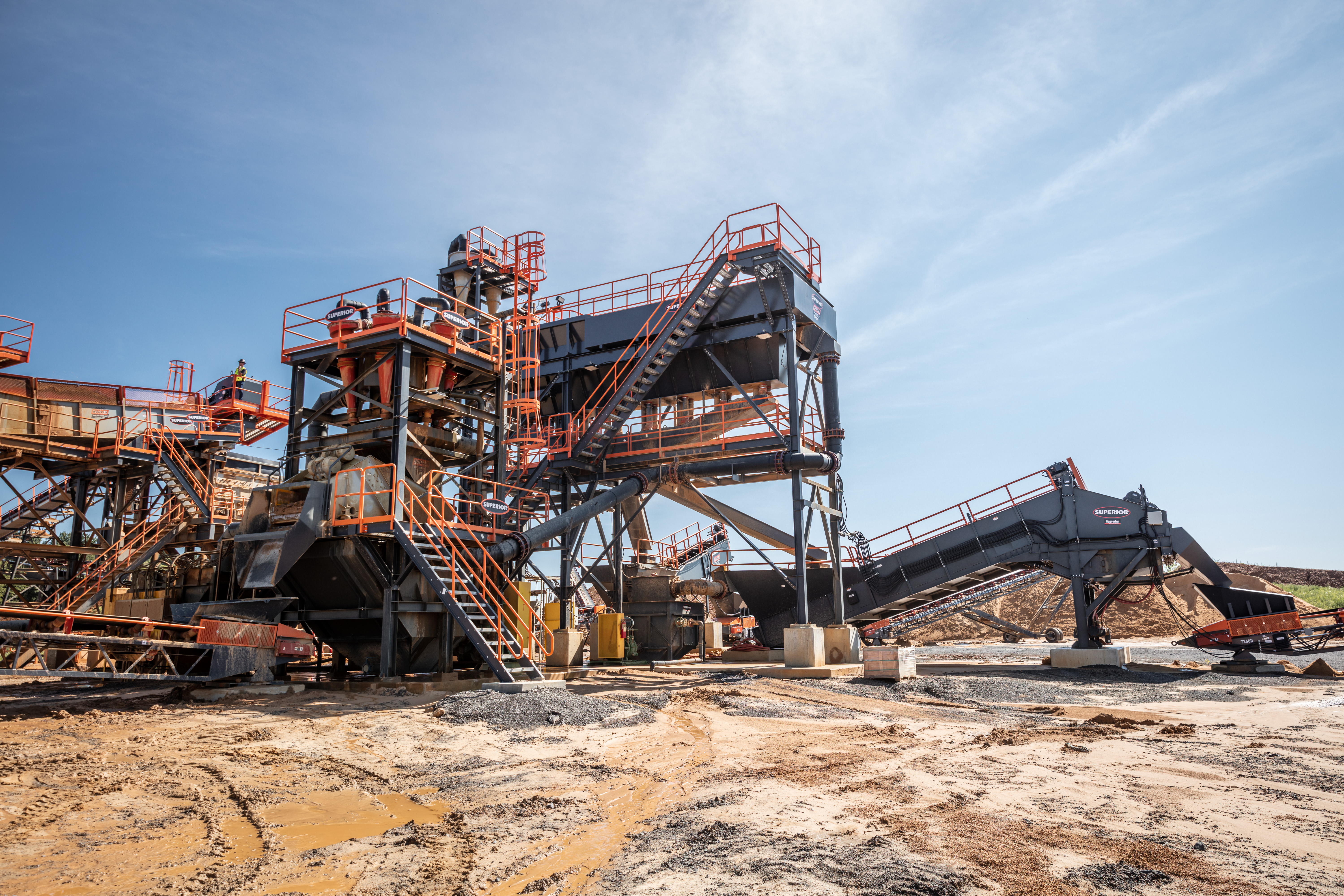
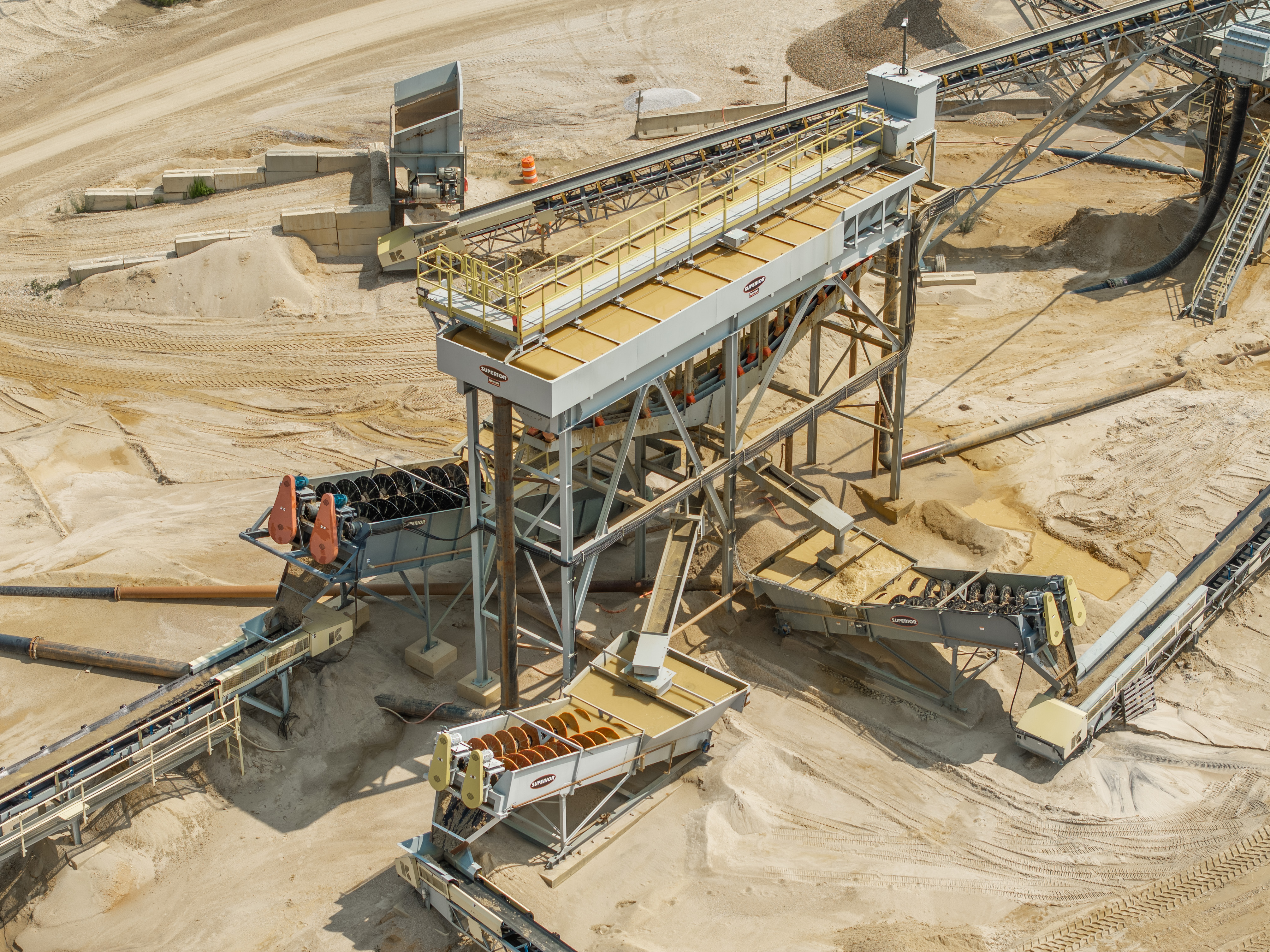
Inconsistent sand specs can cost you sales. A classifying tank gives you the precision to hit target gradations shift after shift. By automatically separating material based on settling rate, it eliminates the guesswork of manual blending and helps you produce in-spec product every time.
Whether you're dealing with variable deposits or changing customer demands, the classifying tank puts you in control. Adjustable valves, automated controls, and customizable configurations give you the flexibility to fine-tune performance without constant oversight, freeing up your crew and tightening up your results.



Advantages
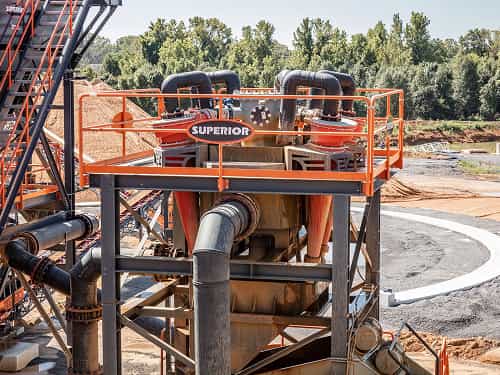
Elevated Valve Bridge
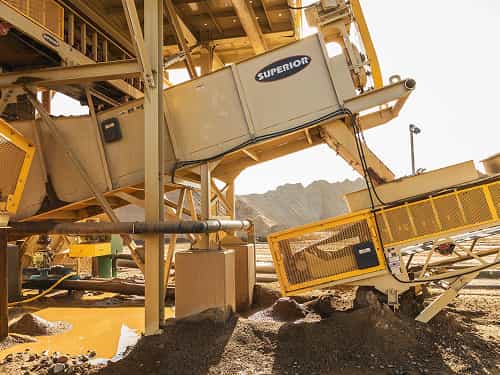
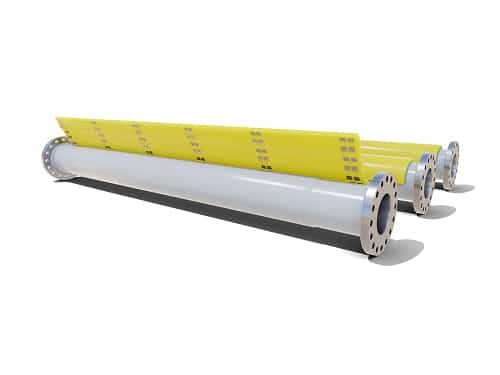
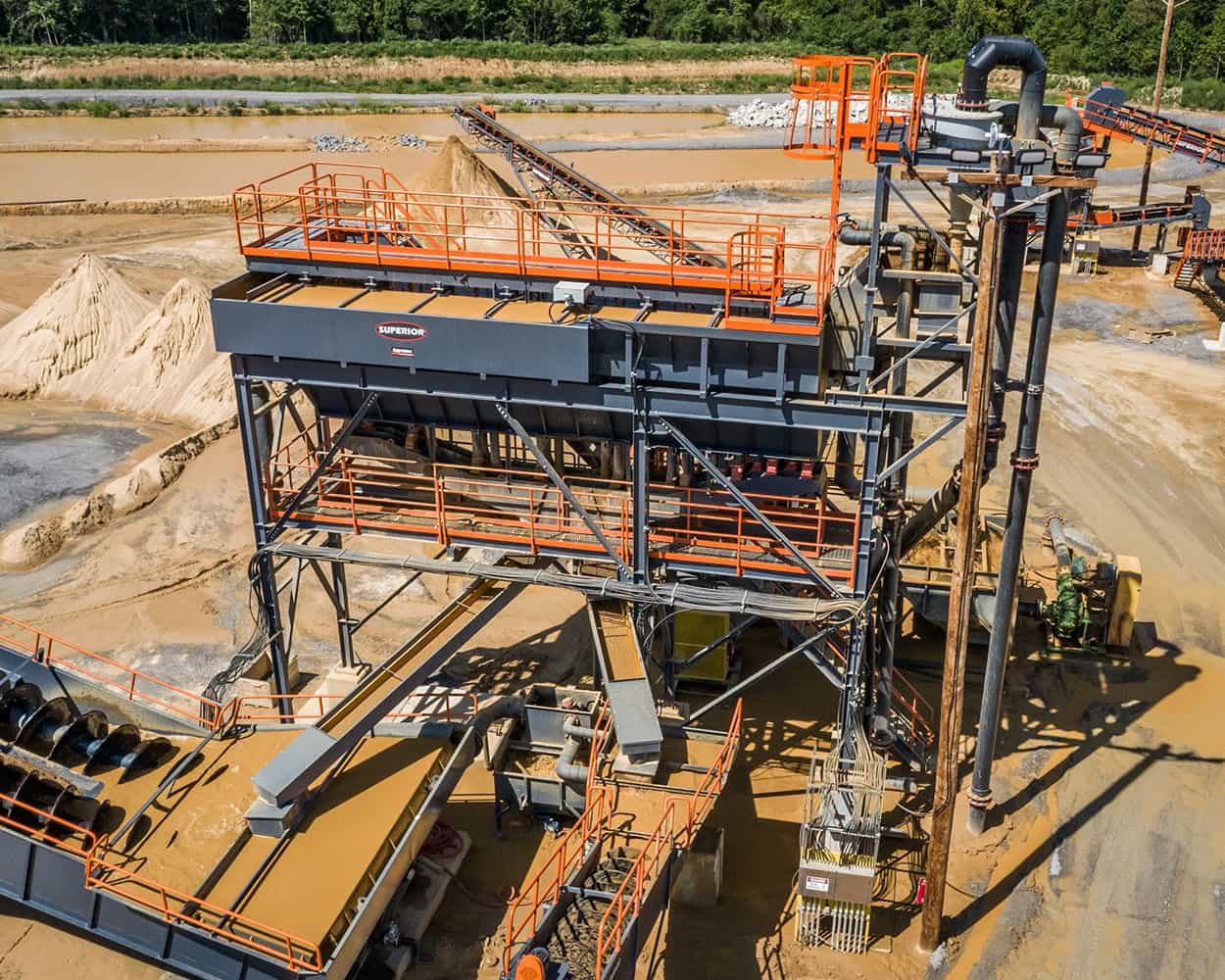
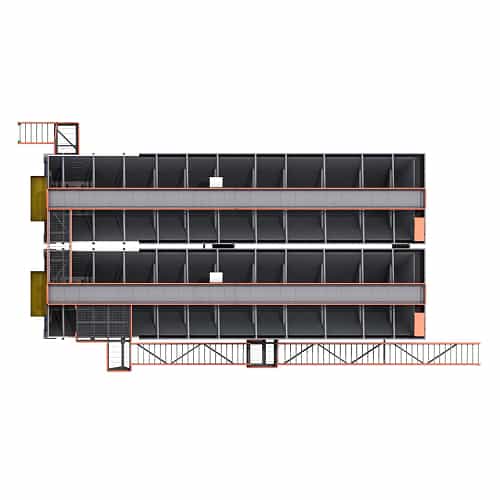
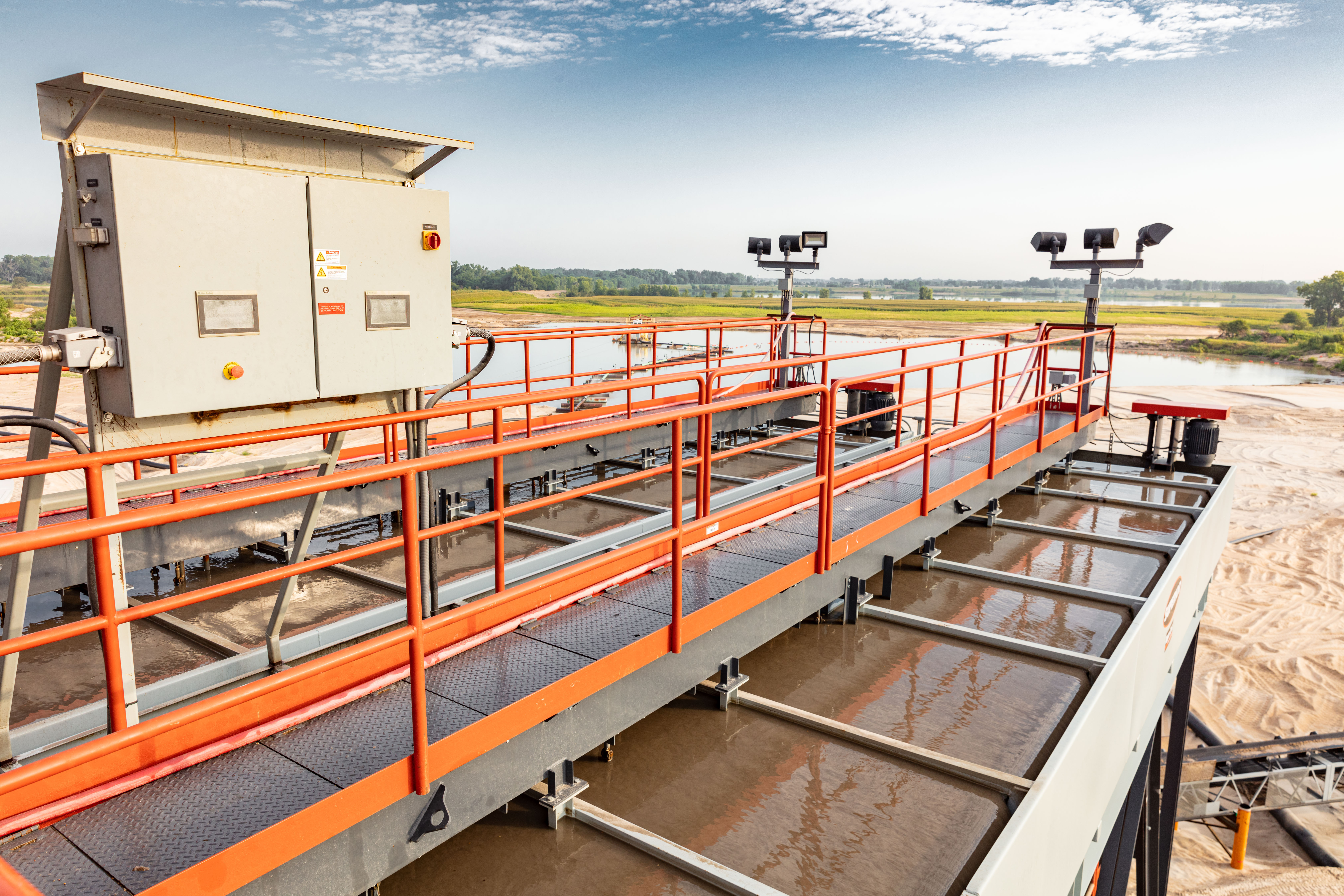
Raised design keeps mechanical components above the water line to prevent corrosion and extend service life.
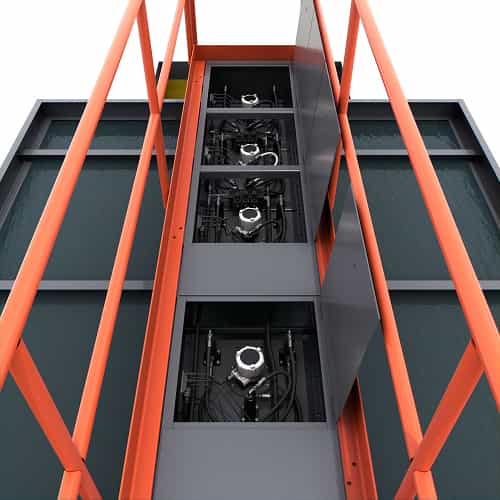
Hinged Walkway Plates
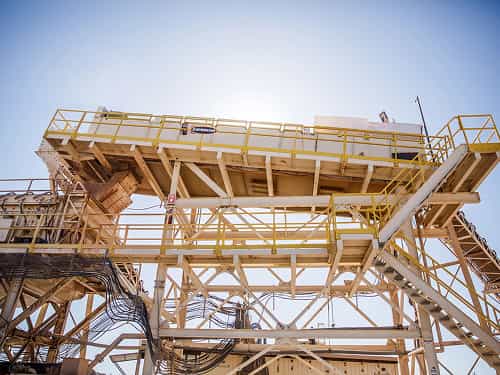
Swing open for quick, tool-free access to mechanical valve stations, simplifying inspection and maintenance.
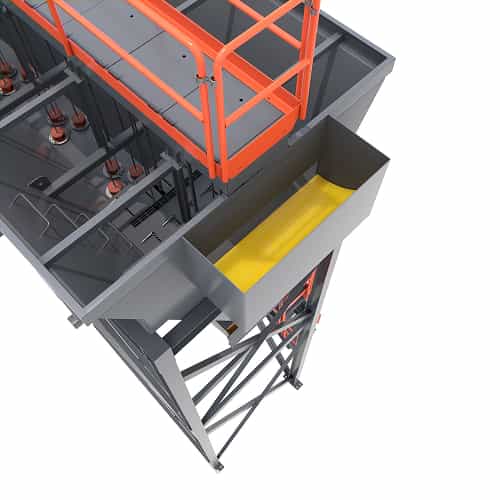
Rising Current Cells
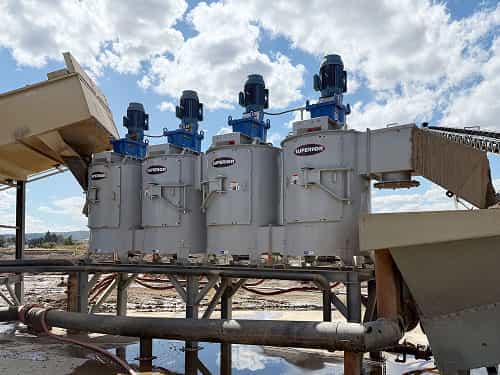
Improve separation efficiency by keeping lighter material in suspension while heavier particles settle for cleaner gradations.
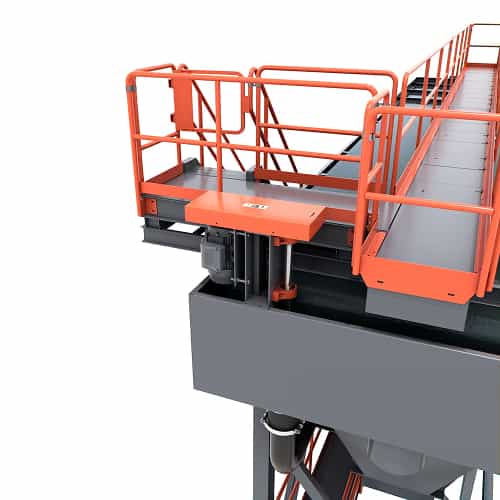
Recirculating Pump System
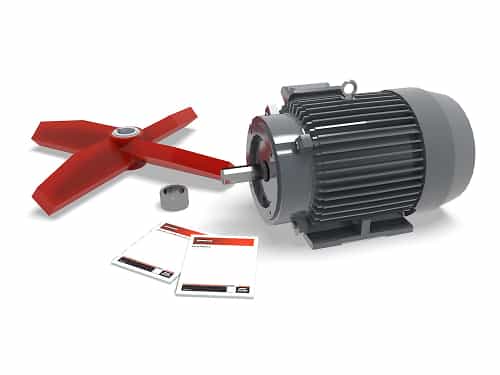
Reuses overflow water from the tank to feed rising current cells, cutting fresh water demand and improving classification control.

See the Flow at Work
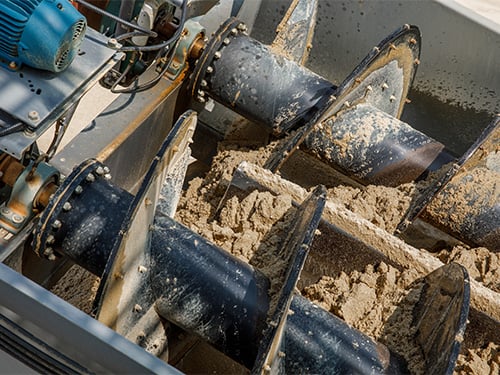
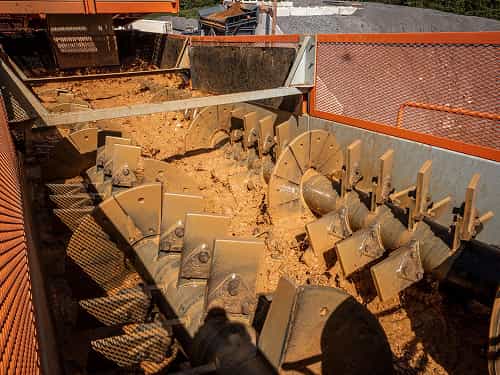
This detailed animation peels back the surface of the classifying tank to show what’s happening inside. Watch as physics and engineering work together to separate material by size and settle out silt and fines.
From the feed box to the discharge valves, you’ll get a clear look at what makes Superior’s tank a dependable solution for consistent spec sand.
Where to BuyVideos
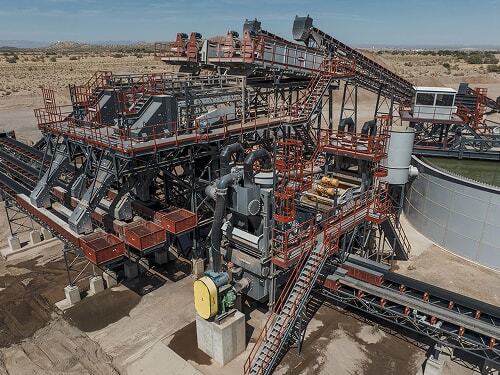
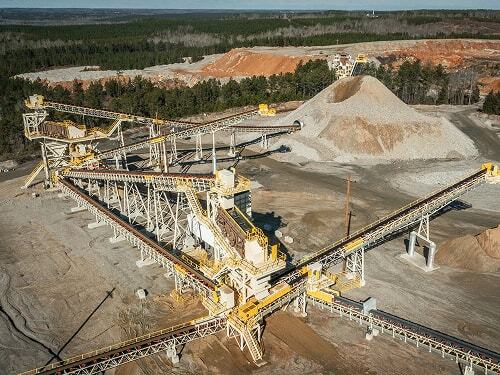
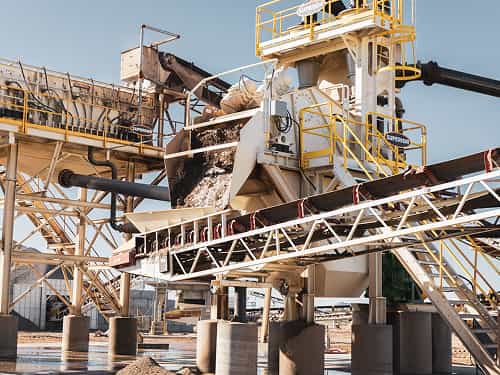
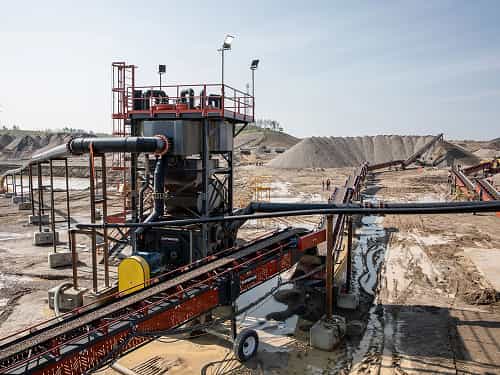
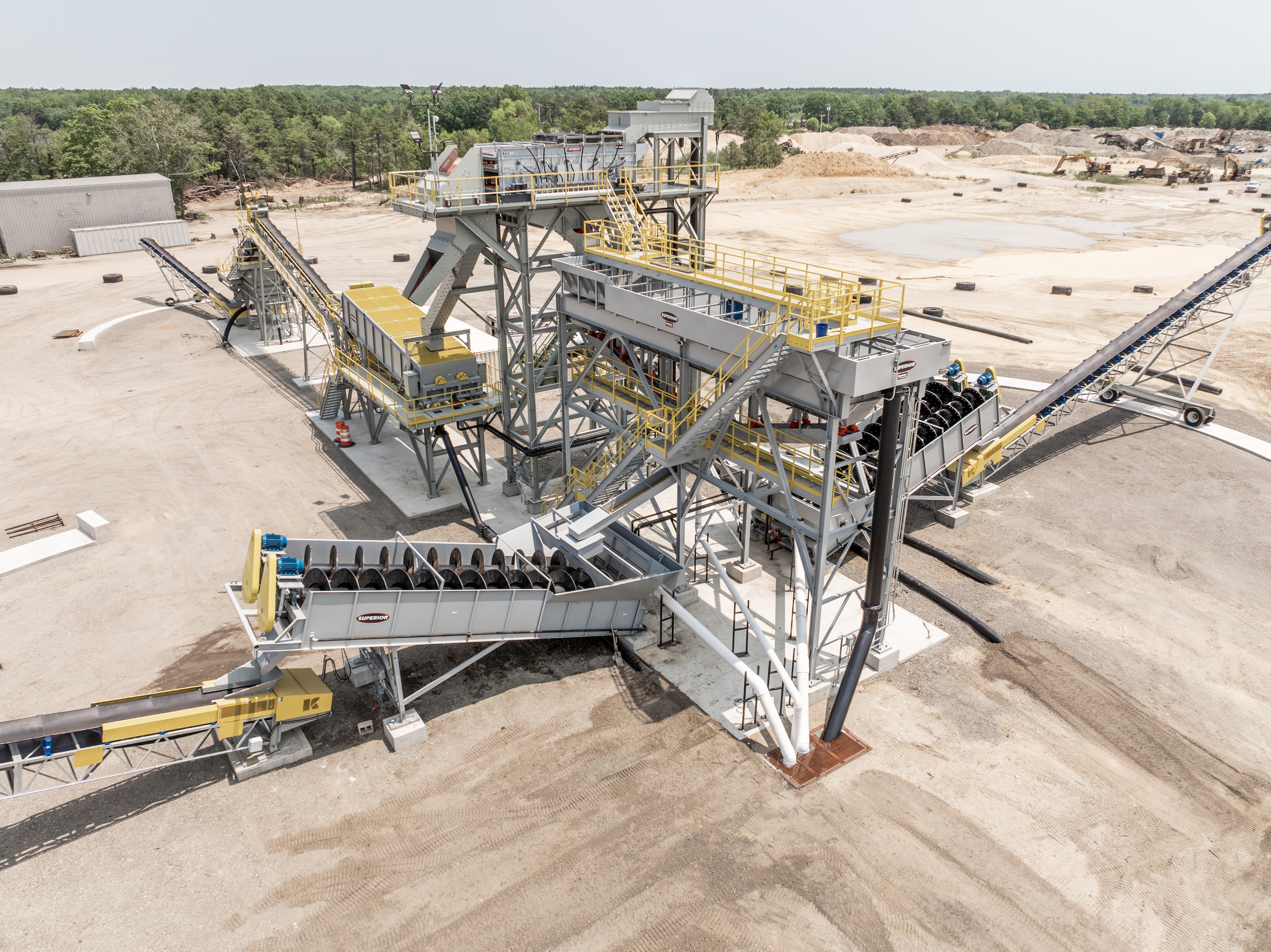
Watch every stage of a compact wet processing plant — from dredging and screening to classifying, washing, dewatering, and stockpiling — all working together in one seamless flow.
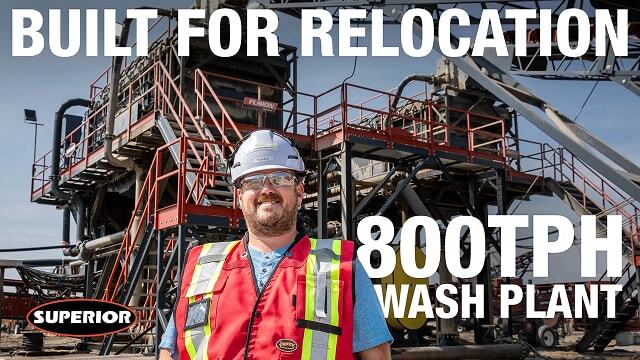
See how a Fusion® Modular Platform streamlines wet processing with integrated structure, conveyors, and walkways that simplify setup and improve safety.
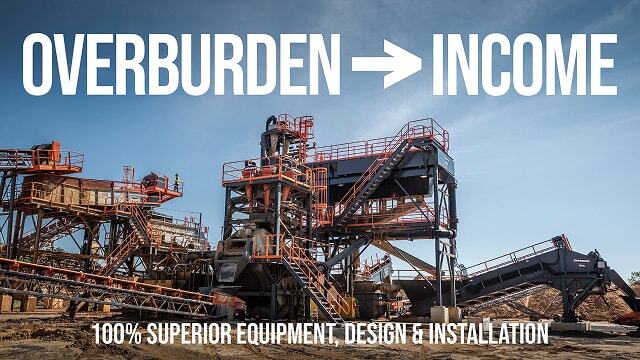
See how a surprising sand discovery led Hoover Materials to build a turnkey plant that delivers consistency, sustainability, and new opportunity just north of Nashville.

Images
Classifying Tank Models & Specifications
General Specifications
| Model | Tank Size | Stations | Estimated Tank Weight | Estimated Support Structure Weight |
Water Capacity | ||||||||
|---|---|---|---|---|---|---|---|---|---|---|---|---|---|
| ft | m | lb | kg | lb | kg | 100 M | 150 M | 200 M | |||||
| gpm | m³/h | gpm | m³/h | gpm | m³/h | ||||||||
| Single Tank | |||||||||||||
| F0828CTS | 8x28 | 2x9 | 8 | 16,000 | 7,258 | 13,000 | 5,897 | 3,200 | 727 | 1,600 | 364 | n/a | — |
| F0832CTS | 8x32 | 2x10 | 9 | 18,000 | 8,165 | 14,180 | 6,432 | 3,500 | 795 | 1,800 | 409 | n/a | — |
| F1032CTS | 10x32 | 3x10 | 9 | 24,000 | 10,886 | 15,200 | 6,895 | 4,700 | 1,068 | 2,400 | 546 | 1,250 | 284 |
| F1036CTS | 10x36 | 3x11 | 10 | 28,000 | 12,701 | 16,500 | 7,484 | 5,300 | 1,204 | 2,700 | 614 | 1,400 | 318 |
| F1040CTS | 10x40 | 3x12 | 11 | 30,000 | 13,608 | 18,000 | 8,165 | 5,900 | 1,341 | 3,000 | 682 | 1,500 | 341 |
| F1248CTS | 12x48 | 4x15 | 11 | 44,000 | 19,958 | 38,000 | 17,300 | 8,100 | 1,840 | 4,200 | 954 | 2,150 | 489 |
| Double Tank | |||||||||||||
| F1040CTT | 10x40 | 3x12 | 11 | 56,000 | 25,401 | 35,200 | 15,967 | 11,800 | 2,681 | 6,000 | 1,363 | 3,000 | 682 |
| F1248CTT | 12x48 | 4x15 | 11 | 86,000 | 39,009 | 48,200 | 21,863 | 16,200 | 3,680 | 8,400 | 1,908 | 4,300 | 977 |
Specifications
Specifications
Specifications
Specifications
Frequently Asked Questions

Real Stories, Proven Performance