





Lock Down the Load Zone
Dust and spillage at the load zone show up in different ways. Sometimes it’s a light leak along the skirtboard and other times it’s airborne dust and piles of material building up around the transfer point. Fixing it shouldn’t force you into a one-size-fits-all dust containment system.
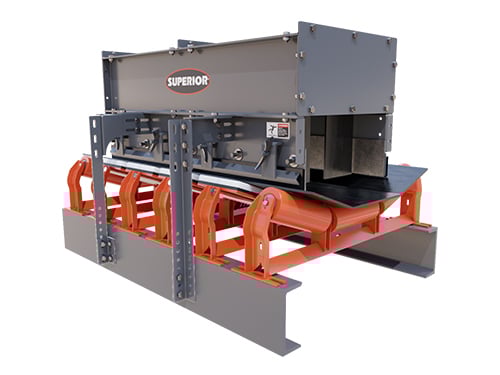
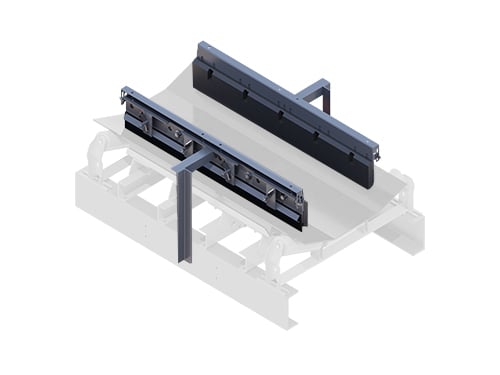
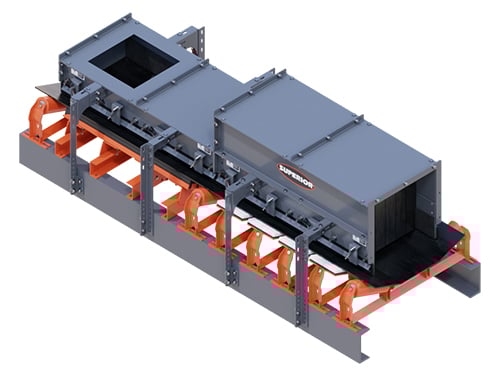
That’s why our skirting solutions are modular. Adjustable-height skirtboards, modular wear parts (liners), stilling zones, and sealing systems can be combined to match the conditions at your conveyor. Some applications only need simple containment. Others call for a more engineered approach to control material flow and settle dust inside the load zone.
If you're not sure what level of containment makes sense, we’re happy to help. To get the best skirting system for a high ton conveyor, share a few photos, send drawings, or invite us to review the transfer point in person. From quick upgrades to fully engineered load zone containment, we’ll help you keep material on the belt and dust out of the air.


Models

Why Containment Matters

Dust Means Exposure
Airborne dust escaping the load zone exposes workers to respirable particles and increases the likelihood of MSHA scrutiny as dust enforcement rules continue to tighten.

Spillage Means Cleanup
Material leaking from your conveyor's transfer point turns into constant shoveling, extra labor, and lost production time that proper sealing can prevent.

Material Means Money
What spills off the belt may look small, but over time those lost tons add up to real revenue leaving your plant's financial statement.

Cleanup Means Hazards
Loose material around conveyors and on platforms creates slip and trip hazards that put workers' safety at risk during maintenance and inspections.

Containment Coming Together
This animation shows how the Modular Skirting System comes together to seal a conveyor load zone and contain dust and spillage at the source.
As each component is added, you’ll see how skirtboards, liners, sealing rubber, and stilling zones work together to control airflow and keep material on the belt.
Installation and Maintenance Simplified:
- Modularity allows for new pieces to be added as containment needs evolve.
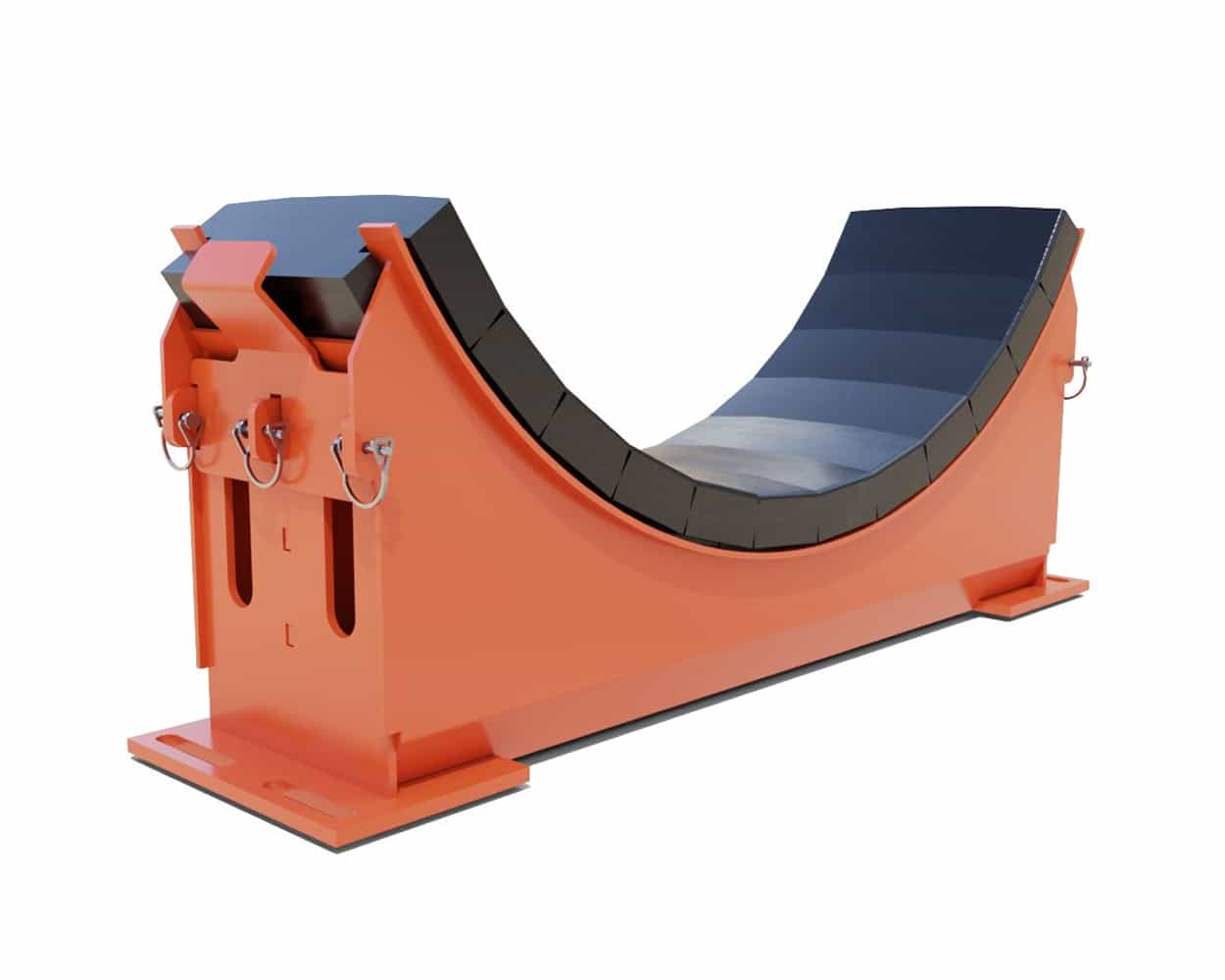
- Mounting legs can be trimmed and fitted on site, eliminating custom brackets.
- Clamp systems make rubber adjustments fast without fighting seized hardware.
- Slotted mounting points allow quick vertical adjustments as belts wear.
Videos
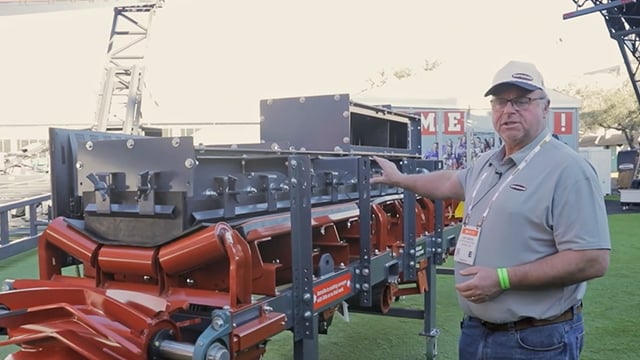
Joe explains how proper load zone support, skirting, and stilling boxes work together to contain dust and control airflow at conveyor transfer points.
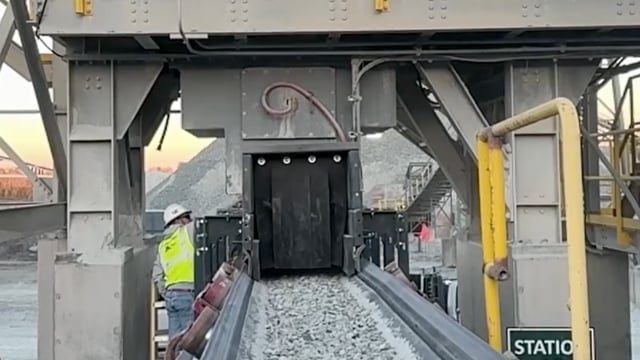
Before and after footage reveals how proper skirting seals the load zone beneath a cone crusher, dramatically reducing dust.
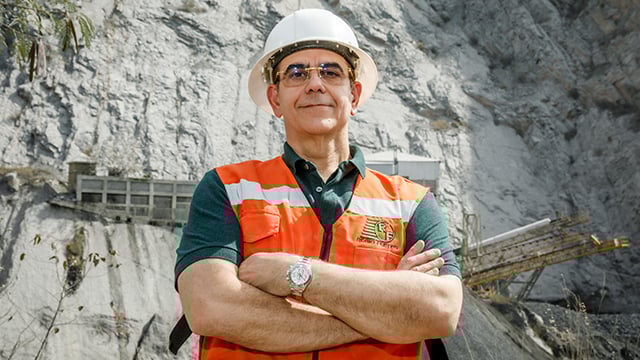
Inside a Mexican limestone plant focused on reducing dust and improving sustainability with Superior's Modular Skirting System.