
All Products





Sorry!
No items currently match your filtering criteria.
We’re Ready When You Are!
Talk to our team or find a dealer near you.

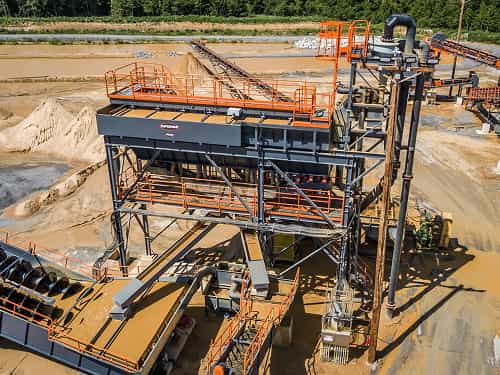
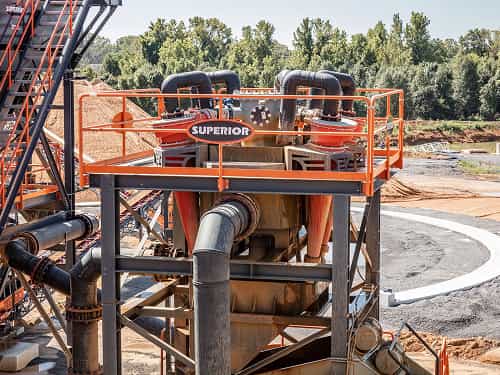
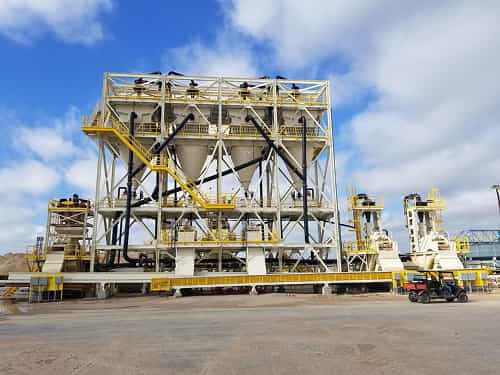
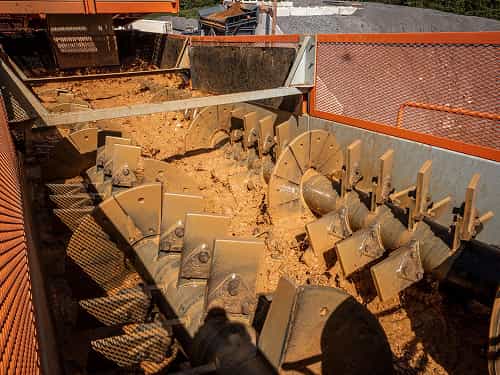
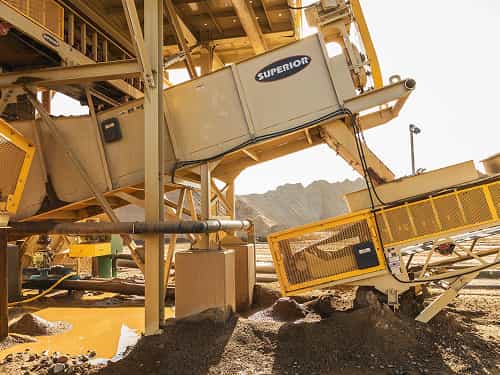
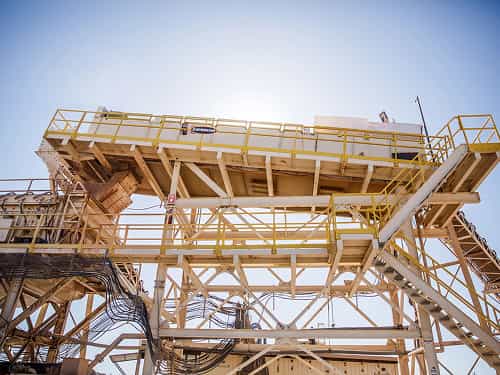
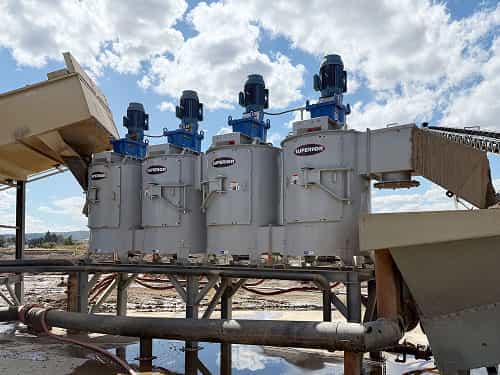
Let the Material Sort Itself
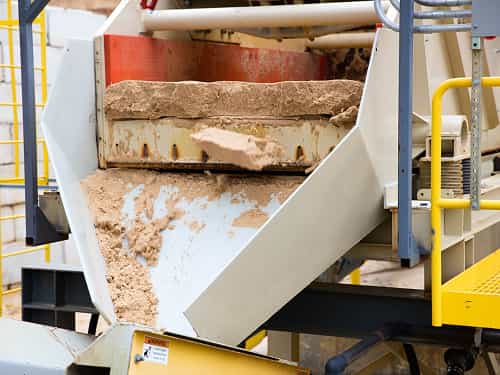
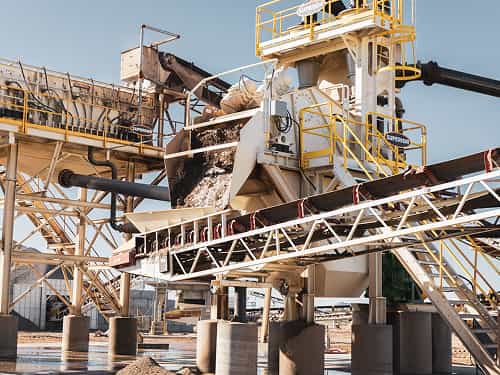
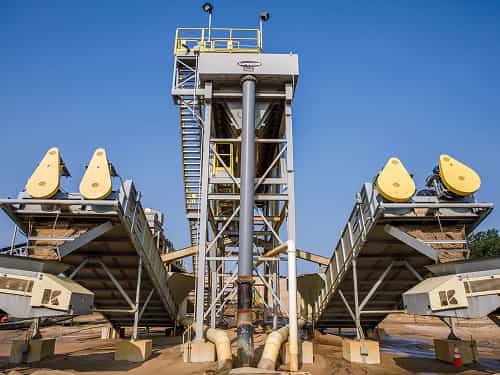
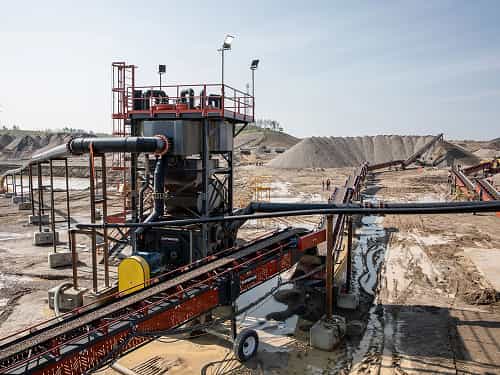
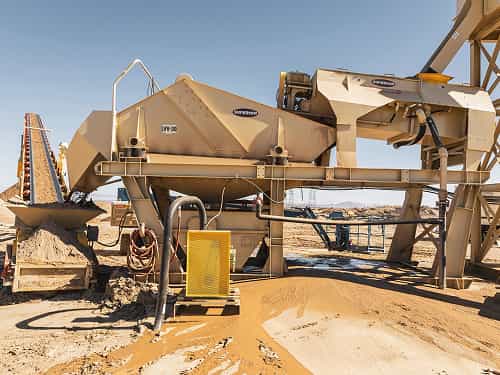
When your deposit's loaded with mixed-density particles, trying to screen it all doesn’t often cut it. A density sizer uses a fluidized bed to separate material by specific gravity, so heavier particles sink, lighter ones float, and you end up with cleaner splits without a ton of manual adjustment.
It’s a smart move if you’re chasing tighter specs or need to get lightweight organics out of the mix. With simple controls and no moving parts in the slurry, the Density Sizer gives you steady results without beating up your crew or your gear.



Images


Density Sizer Operating Dimensions
Operating Dimensions
| Model | Size | Settling Area | Feed Capacity | Water Required | ||||
|---|---|---|---|---|---|---|---|---|
| m | ft | m² | ft² | MTPH | STPH | m³/hr | GPM | |
| DS4x4 | 1.2 x 1.2 | 4 x 4 | 1.5 | 16 | 14–60 | 15–65 | 23–57 | 100–250 |
| DS6x6 | 1.8 x 1.8 | 6 x 6 | 3.5 | 36 | 32–132 | 35–145 | 51–128 | 225–565 |
| DS7x7 | 2.1 x 2.1 | 7 x 7 | 4.6 | 49 | 41–177 | 45–195 | 68–174 | 300–765 |
| DS8.5x8.5 | 2.6 x 2.6 | 8.5 x 8.5 | 6.8 | 73 | 62–272 | 68–300 | 102–261 | 450–1,150 |
| DS10x10 | 3.1 x 3.1 | 10 x 10 | 9.3 | 100 | 84–363 | 93–400 | 142–355 | 625–1,560 |

What Are You Working On?
Share a few details about your project or application and we’ll help you sort through options, specs, and next steps.
-
Find Your Local Dealer
Get in touch with a local expert who knows your region well: Dealer Locator
-
Not Sure Who to Contact?
Send us a note and we’ll connect you with the right person.