

- Crushing
Share This Post
9 Ways to Reduce Crusher Downtime & Gain Tighter Control
Ask most plant operators where they lose time in their aggregate crushing circuit, and the answers are familiar: unexpected shutdowns, inconsistent wear issues, and manual adjustments that never quite keep up with changing conditions.
Automation changes that. Not by adding complexity, but by giving crews better visibility and more control over what’s already happening inside the machine.
Here are ten ways modern control platforms are helping cone crushers run more consistently, safely, and efficiently.
01. Startup and Shutdown Without Guesswork
One of the easiest ways to damage a cone is improper startup or shutdown.
Automation removes that risk by handling the sequence automatically. Before startup, the system confirms lubrication, temperature, and flow. During shutdown, it cuts feed, stops in the correct order, and keeps oil circulating until everything stops safely.
02. Early Warning Signs of Wear
Not all wear is visible, especially in critical internal components.
Automation tracks how long it takes for the crusher to slow from full speed to a stop. Changes in that timing can signal abnormal wear, giving maintenance teams a chance to act before a failure forces downtime.
03. Protection from Costly Damage
When something goes wrong inside a cone crusher, it rarely stays small.
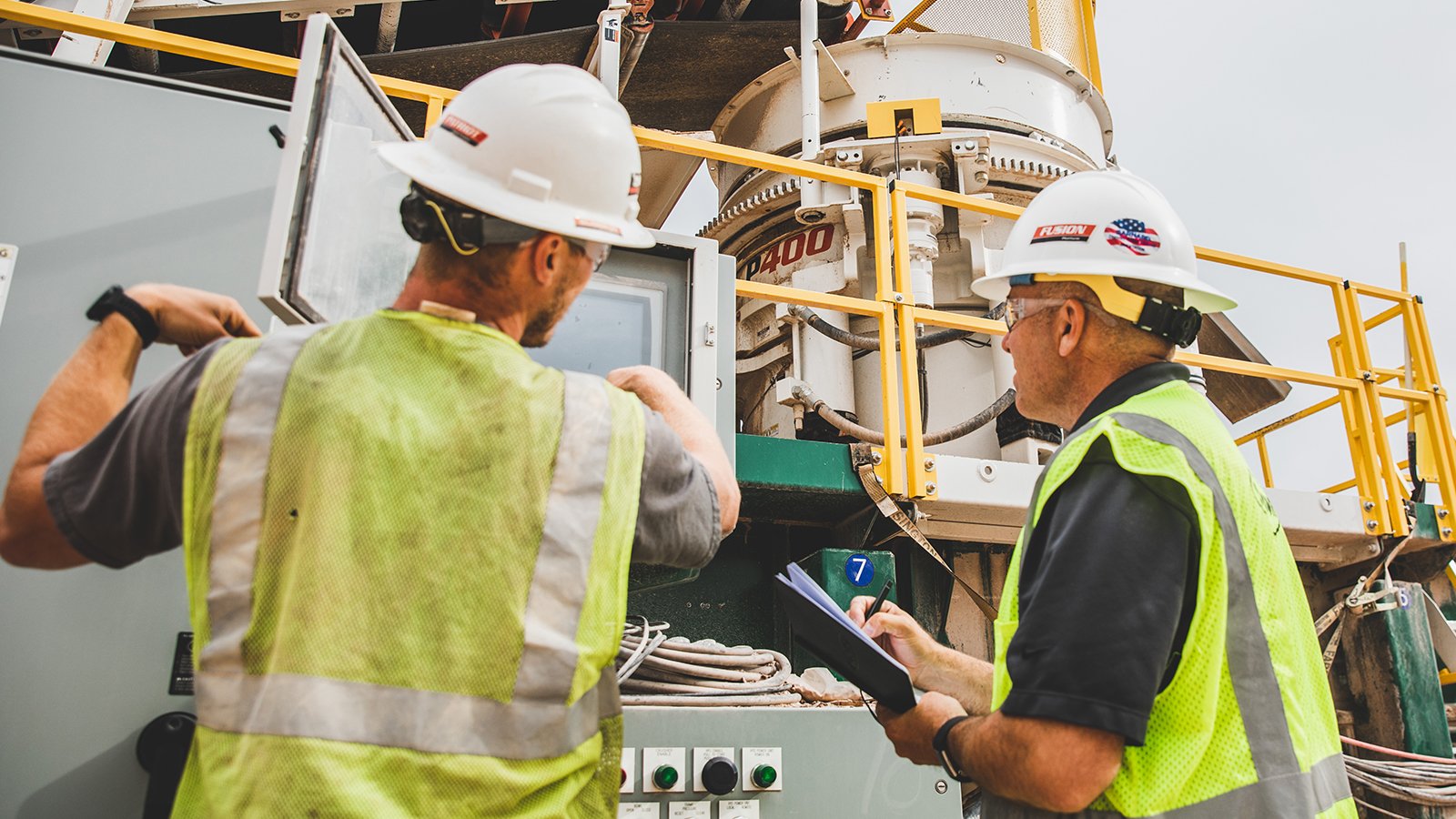
Automation monitors conditions like high amperage, elevated temperatures, lubrication issues, and bowl float. If something drifts out of range, operators are alerted immediately or the system shuts things down before damage spreads.
04. Real-Time Adjustments During Operation
Material isn’t consistent, and your settings shouldn’t be locked in.
Automation allows operators to adjust closed-side settings on the fly, responding to changes in feed without shutting down the plant. That flexibility keeps production moving and helps maintain product spec even when conditions shift.
05. Consistent, Choke-Fed Operation
A well-fed crusher is a productive crusher, but maintaining that balance manually is difficult.
Automation of feed systems adjust the speed of the feeder based on amp draw and cavity levels, keeping the crusher consistently choke-fed. The result is steadier throughput and better overall performance.
06. Visibility into What’s Happening
Without real-time data, operators are often reacting instead of anticipating.
Automation platforms provide continuous feedback on closed-side settings, amperage, tramp events, and recirculating loads. That insight helps crews quickly identify whether they’re dealing with hard material, overload conditions, or something else entirely.
07. Automatic Compensation for Liner Wear
As liners wear down, the crusher’s performance changes with them.
Automation can compensate by adjusting settings to maintain the target closed-side setting. This keeps product size more consistent and reduces the need for frequent manual corrections.
08. Detection of Bowl Float Before It Becomes a Problem
Bowl float, or ring bounce, is one of the more dangerous conditions for a cone crusher, and one of the hardest to detect in real time.
Automation systems monitor for it continuously, alerting operators or shutting down the machine if necessary. Without that layer of protection, it can go unnoticed until damage is already done.
09. Simpler Systems, Faster Troubleshooting
Older control systems often rely on complex wiring and difficult diagnostics.
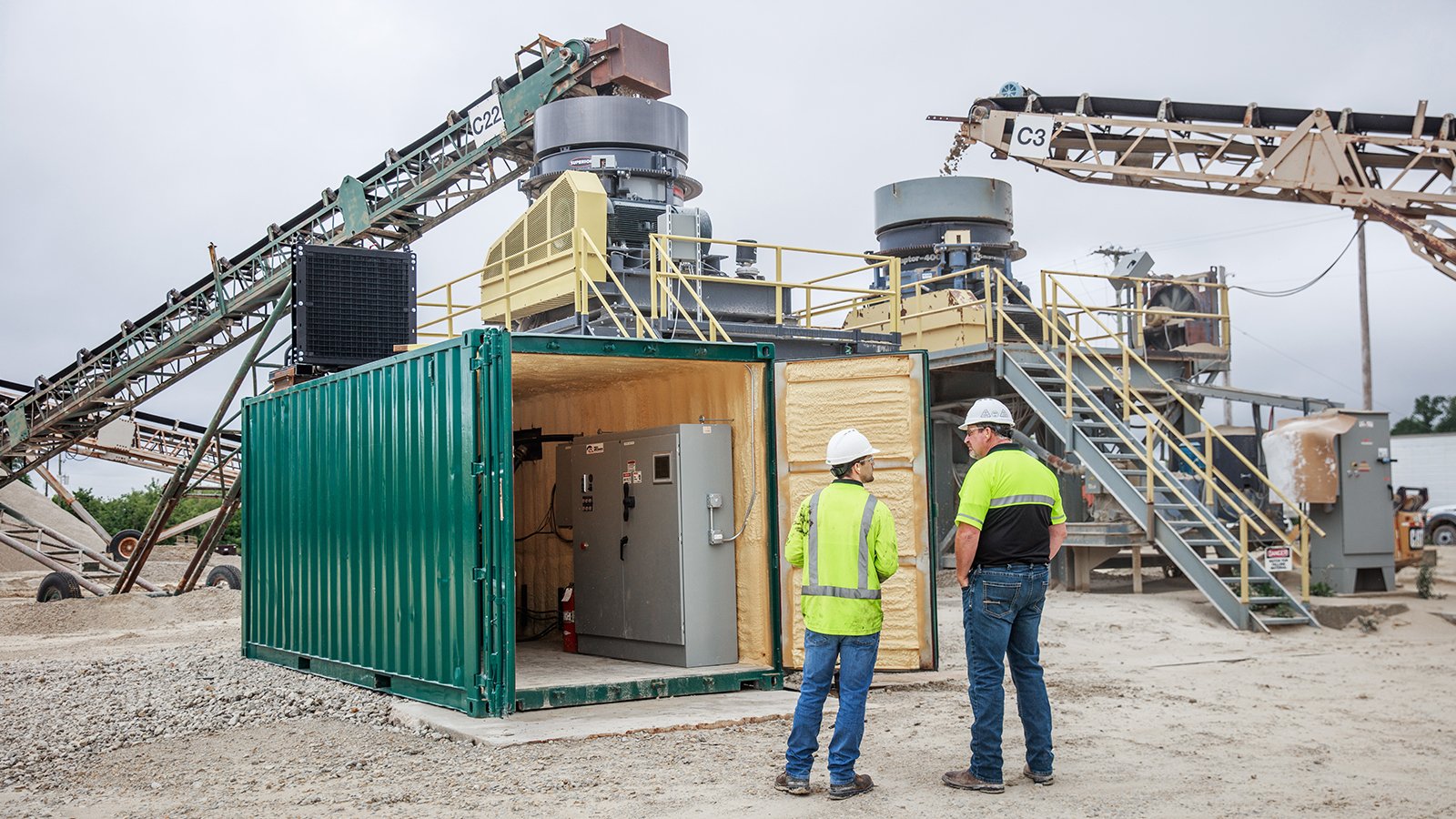
Automation uses streamlined communication networks that simplify setup and make troubleshooting faster. When something needs attention, crews can find and fix it quicker, reducing time spent offline.
By handling routine processes, flagging issues early, and keeping the crusher operating within its intended range, control platforms help crews spend less time reacting and more time producing.
Automation doesn’t replace good operators...it supports them!
Send this Tech Tip to your inbox.
Want to read this later? Enter your info and we’ll email you a link to this article.