

PUBLISHED: MAY 2025
While headlines continue swirling with uncertainty over trade policy, Superior is benefiting from groundwork laid during the pandemic as we take advantage of new sourcing relationships, expanded manufacturing, and reshoring of select components.
Here’s what our dealer network needs to know right now.
The Role of Global Suppliers
Some of you might be wondering why certain components — particularly large castings and machined parts for crushers — come from overseas in the first place. The answer goes back decades.
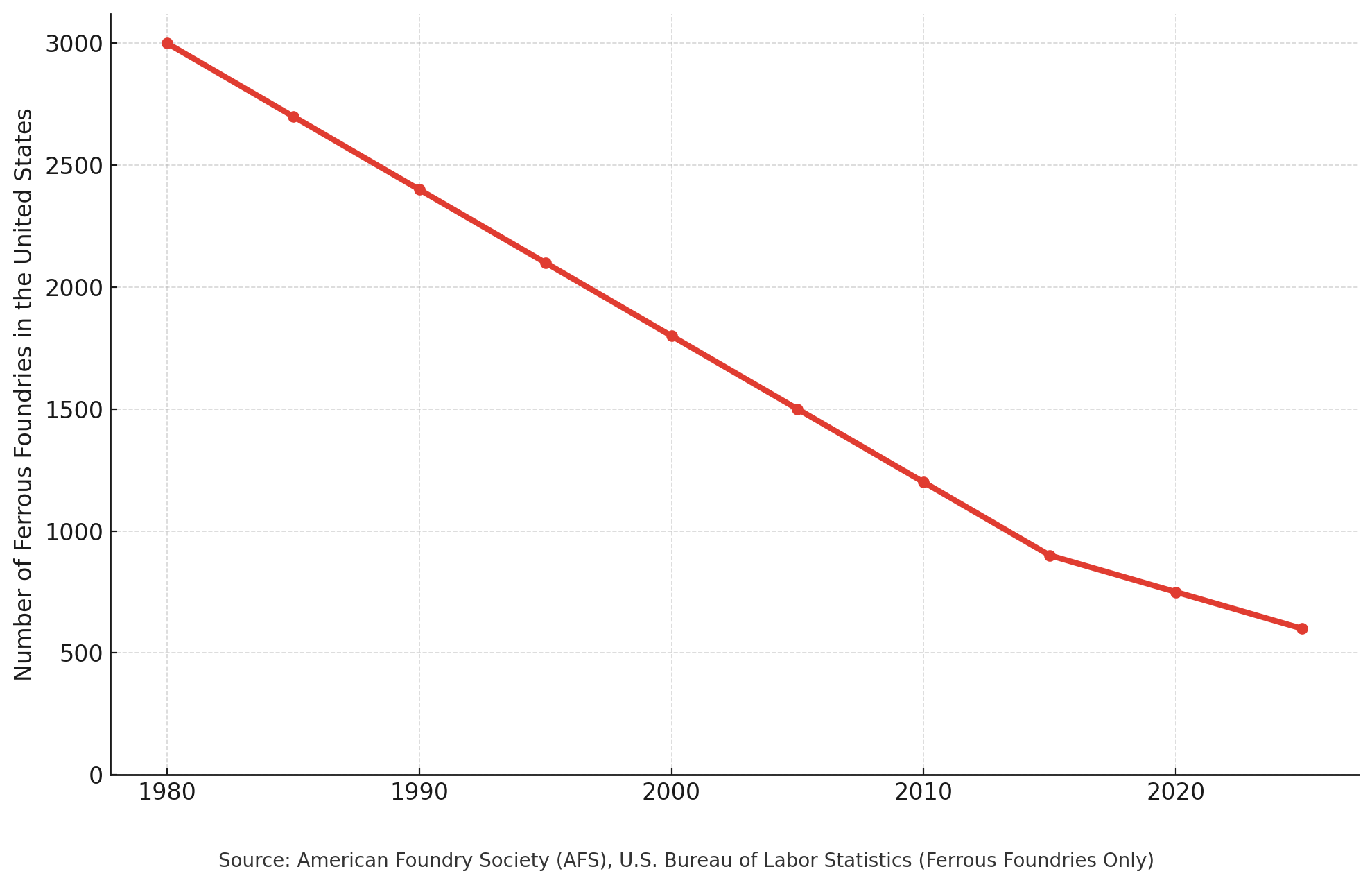
Long before Superior entered the crushing category, American manufacturers began shifting to global suppliers to remain competitive on cost and capacity. Over time, U.S. foundries scaled back or shut down, and China became the leading source for the heavy-duty steel castings required in aggregate machinery. That’s why we partnered with a Shanghai manufacturer with deep roots in this space, to ensure a dependable and competitively priced supply chain.
Today, the U.S. is not a viable option for these components due to a lack of large-scale foundriesand cost pressures that make domestic production economically unrealistic.
Tariff Timeline and Pricing Impact
Tariffs on Chinese imports have played a significant role in shaping U.S. trade policy since 2018, when new duties were introduced to address concerns around trade balance. Early actions included tariffs averaging 18% across a wide range of imported goods, including materials we source for building crushers.
Several recent measures have increased the total tariff burden. These included a universal tariff on all imports, “fentanyl tariffs” that have since been dropped for some countries (but not China), and renewed steel and aluminum tariffs. Then in April, the administration announced a WHOPPER: reciprocal tariffs on China that raised the cost of some industrial components by as much as 145%.
Last week, both governments agreed to a temporary de-escalation, which includes a 90-day suspension of retaliatory tariffs (paused through August 12). The agreement reduces the overall U.S. tariff rate on Chinese goods to about 55% — about 2-times higher than it was at the start of the year.
Long-Term Planning in Action
Superior’s response to today’s tariff environment didn’t start this spring. It began several years ago during the supply chain crisis triggered by the pandemic. At that time, we recognized the need for a more flexible and resilient sourcing strategy. We’ve been building relationships with new suppliers and approving alternate vendors ever since.
That preparation is allowing us to move quickly and deliberately now, rather than scrambling to adjust.
One of the most important moves has been the ramp-up of our own manufacturing in Brazil. Originally planned to support long-term crushing growth, the timing has proved especially valuable. With foundries in Brazil already producing for other manufacturers and our in-house capacity expanding, this Superior facility (staffed by Superior employees) is positioned to become a major part of our sourcing strategy.
In addition, we’ve qualified key casting and crusher parts vendors in about a half dozen other countries.
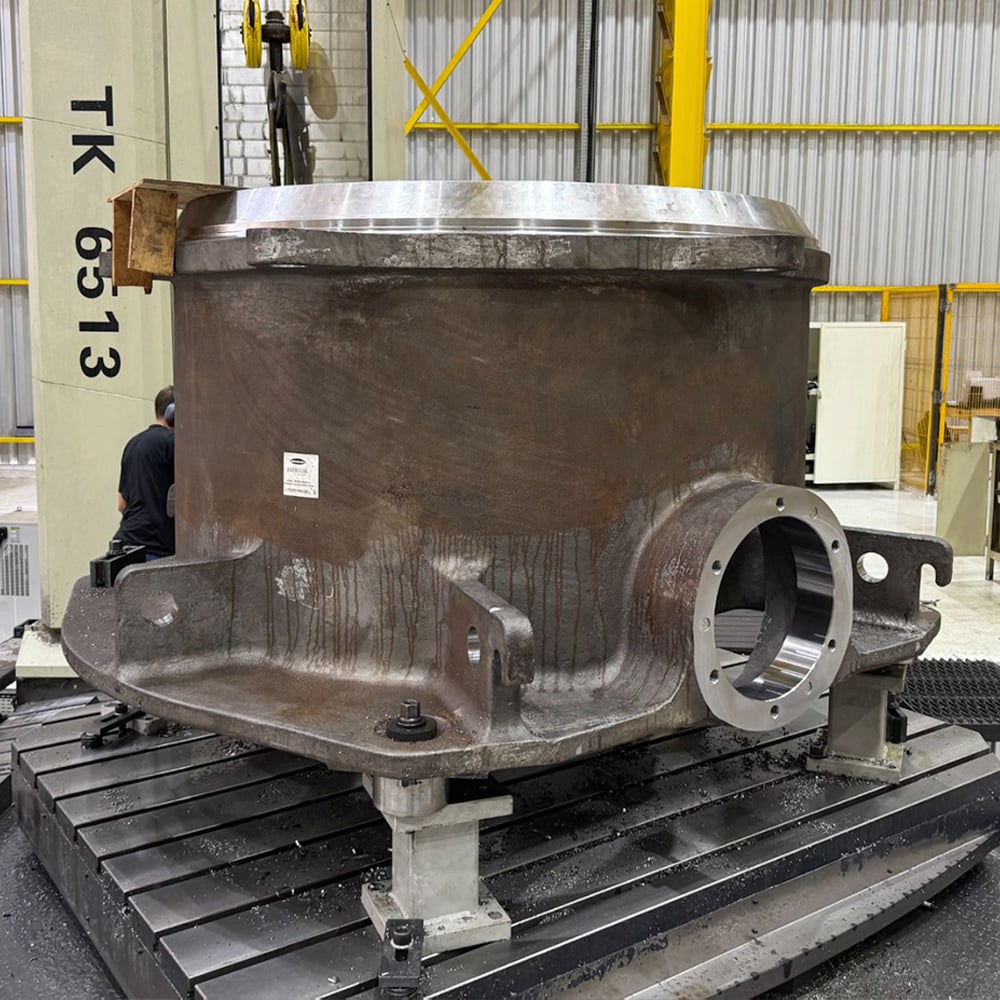 The main frame of a Patriot® Cone Crusher undergoing precision machining at our facility in Brazil.
How to Talk Tariffs
While we haven’t seen widespread pushback from producers yet, some engineering firms have started asking for detailed breakdowns of tariff costs. Here’s how to help guide those conversations with confidence:
- The majority of Superior’s product are insulated, thanks to in-house component manufacturing and heavy reliance on domestic steel.
- While tariffs have a more direct impact on our crushing equipment, we've seen vendor-driven price increases on purchased items across other product segments.
- If a piece of equipment isn’t in stock, we don’t just pass the pricing hit along. We evaluate alternate sourcing strategies that limit tariff exposure.
- For example, on select crusher models we’re now fabricating some parts ourselves and sourcing other components from tariff-neutral countries.
- We have a healthy inventory of production parts on hand, many of which are not affected by the latest tariff increases.
- Additionally, we began releasing parts from overseas before the pause was announced, which puts us ahead of some port congestion and rising costs.
- We’re not asking anyone to absorb a 100% tariff, so our pricing is built around real costs, not reactionary markups.
- In cases where a specific model may carry more tariff exposure (i.e. if parts aren’t readily on hand) we’ll communicate that clearly from the start.
We know these conversations can get tricky, but you’re not in them alone. Our team is always ready to help you navigate questions, talk through strategy, and find smart solutions together.
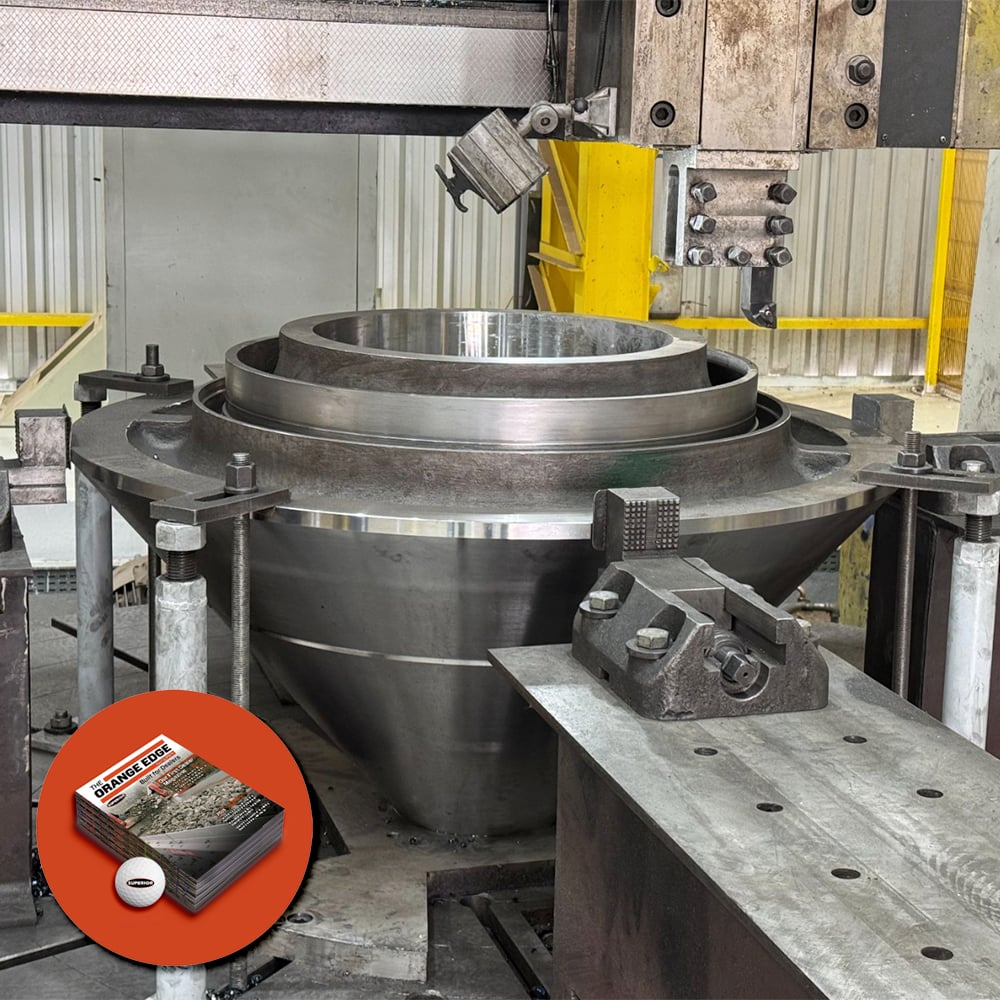 In Brazil, the finishing touches being applied to a bowl assembly destined for a Patriot Cone.