

published: october 2026
Belt Tech Industrial has found plenty of reasons to believe in Fusion® Modular Platforms. The Indiana-based Superior dealer has enjoyed a string of successes with the systems, particularly in wet and dry screening applications.
Now, it’s carrying that momentum into crushing, a market where a well-established competitor has historically made gaining ground challenging. Two advantages in particular are helping Belt Tech make the pitch.
“Competitive pricing and pre-engineering are creating a lot of interest on the crushing side,” says Sam Taber, a territory manager for the dealer in Tennessee. That combination helped convince a local producer to consider an alternative to a manufacturer it had long relied on for crushing.
The competitive position is supported by engineering work that's already been completed. Rather than starting from scratch on every project, Fusion Platforms can build on established designs, reducing the time and expense associated with engineering.
“We can really streamline the process for our customers,” Taber says. “The designs and quotes are repeatable, which speeds up the process and allows me to get back to them much faster than I could on a custom project.”
See how Great Lakes Minerals is putting their plant to work, with flexibility to change screen configurations, expand capacity and adapt as production changes.
Fewer Pieces, Faster Assembly
That repeatability extends beyond engineering and quoting to the installation itself too. Fusion Platforms are designed to go together in a straightforward way, something Belt Tech says has been well received by crews assembling them.
“It’s kind of like Lego-style construction with color-coded components,” Taber says. "Installers open their manual, see how the colors match up, add some bolts, and install the walkways."
Superior takes that efficiency a step further by shipping some sections already assembled, which reduces the number of individual components handled and installed on site.
"One of our goals is to make the most of each trailer load and minimize the work crews have to do once everything arrives on site,” says Mark Crooks, product manager for Fusion Platforms at Superior.
Different Sizes, Different Needs
Knowing where to position a Fusion system starts with understanding the customer's operation, particularly how they approach plant design and engineering.
For Belt Tech, some of the strongest opportunities have come from producers who want to expand their operations without taking on a lengthy, custom engineering project.
"First, the producer's engineering resources can be an important clue," says Taber.
Larger producers with dedicated design teams often have their own approach to plant engineering, although Fusion systems can still be an attractive option for certain projects, particularly smaller upgrades or expansions.
Additionally, producers who depend on their dealers and/or manufacturers for plant layouts, material flow and engineering support are finding particular value in the platform's pre-engineered approach.
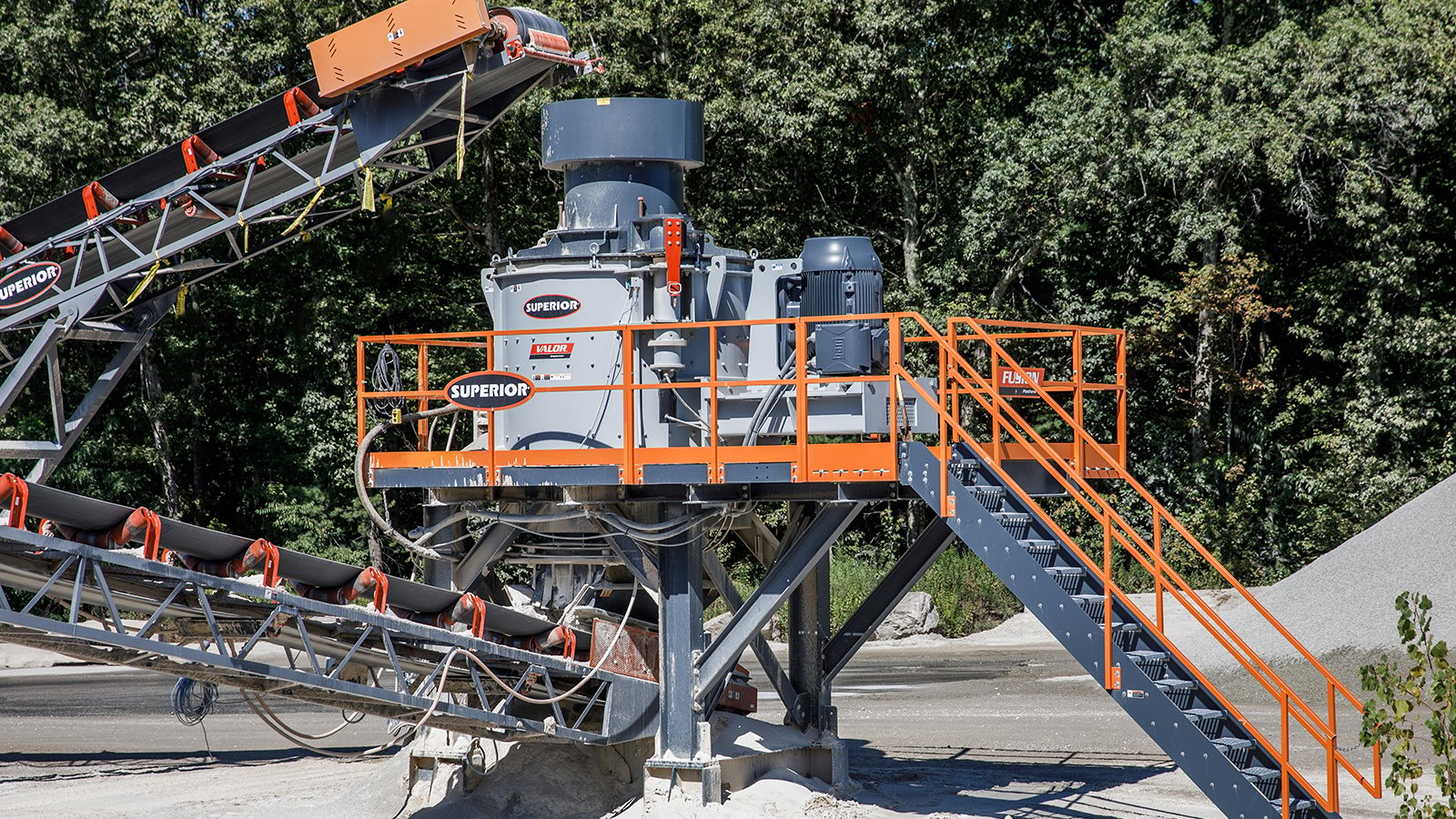 At Onyx Corporation in Massachusetts, a VSI crusher mounted on a Fusion® Modular Platform, supplied by EESSCO, Inc., is helping transform excess material into specification-grade sand. [Read the Case Study]
Upgrade Without Starting Over
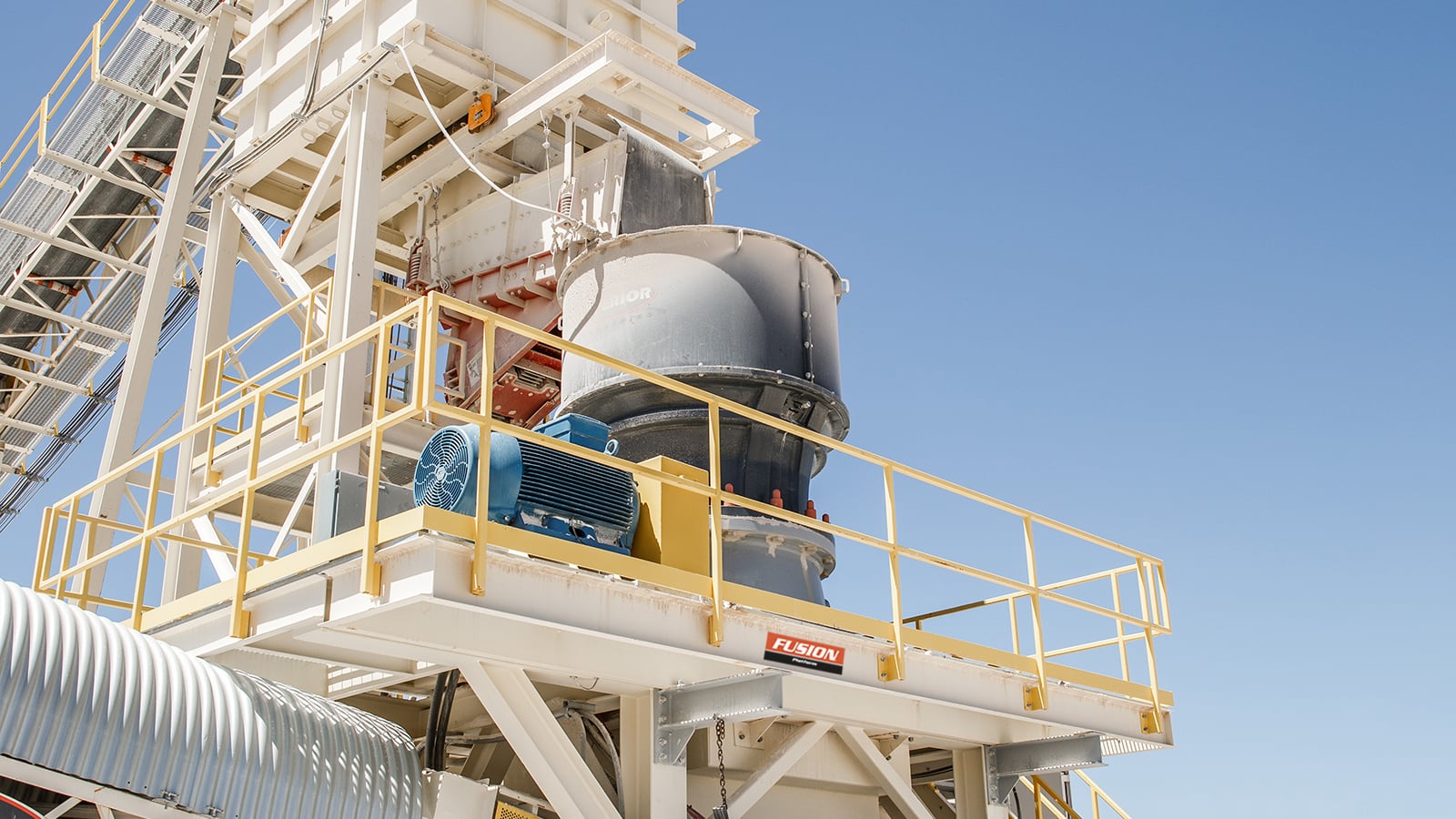
On the crushing side, Crooks encourages dealers to look for opportunities within existing plants, not just entirely new installations. An aging crusher, a need for more capacity or a larger downstream screen have all created opportunities for Fusion modules.
"Let's say your customer has a 30-year-old crusher that needs replacing or there's a different customer who wants to increase capacity,” Crooks says. “We can work with them to plug-and-play a new crusher into an existing operation without having to redesign the entire plant.”
For producers, that means upgrading a portion of their plant without the expense and disruption of rebuilding everything around it.
“Think about how many crushing plants are out there operating with equipment that’s 20 or 30 years old,” Crooks says. “We have an opportunity to show operators who may be concerned about the cost and downtime of a major rebuild that upgrading their crusher could be more simple than they think.”
That means your opportunity isn't limited to new plants, but includes thousands already in operation.