
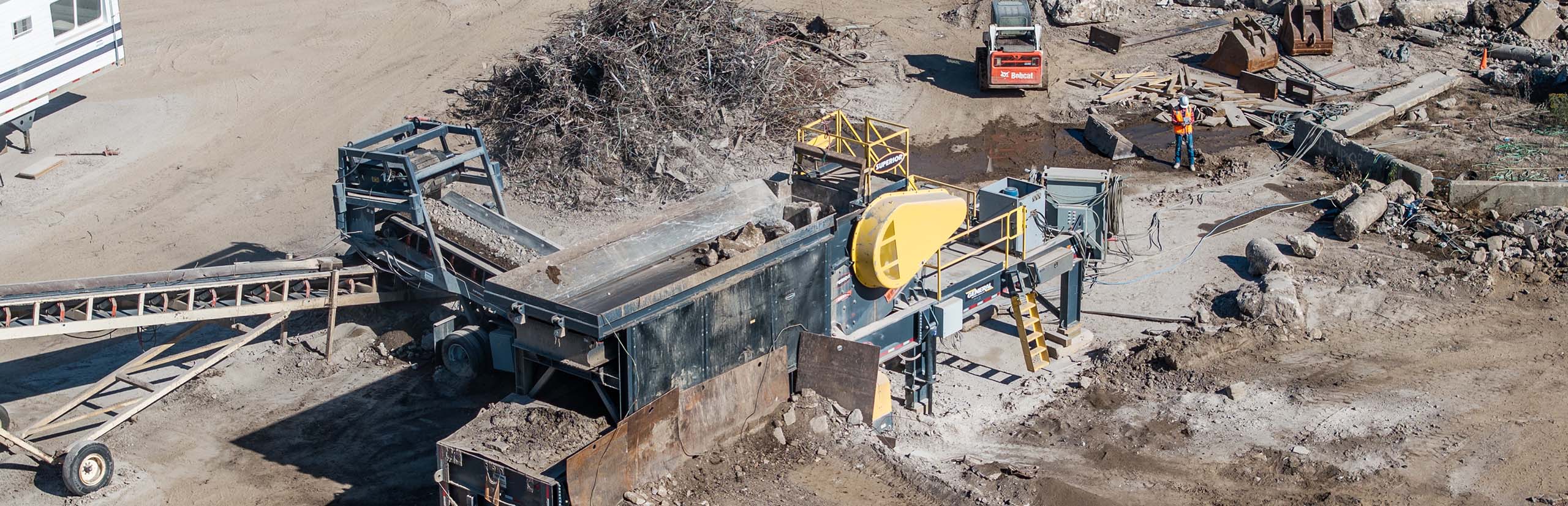

- Crushing
Share This Post
A pile gets more interesting when you can sell more of it, make a more consistent product or give it another use a customer will pay for. That might mean separating another size, changing how you crush or recovering usable material you currently set aside.
The trick is knowing which change creates a worthwhile opportunity without leaving you with a bigger bill and a new pile nobody wants.
1. Find the Buyer First
Before picking another crushing plant or screen deck, talk with the customers who might buy your results. Ask for their required size range, limits on unwanted material, expected volumes and tests needed for acceptance.
For example, a coarse fraction from recycled concrete may be suitable for use in new concrete, giving you another potential market beyond road base and fill. For reclaimed asphalt pavement, or RAP, separating coarse and fine material into different stockpiles can give asphalt producers more control over their mixes.
Each route starts with the buyer’s requirements for your material.
Work backward from their requirements through your feed, equipment and yard. Count the added wear, power, labor and handling, along with space for every fraction, including whatever still won’t sell. A higher price per ton means little if the extra work eats the difference.
2. Crush for the Product
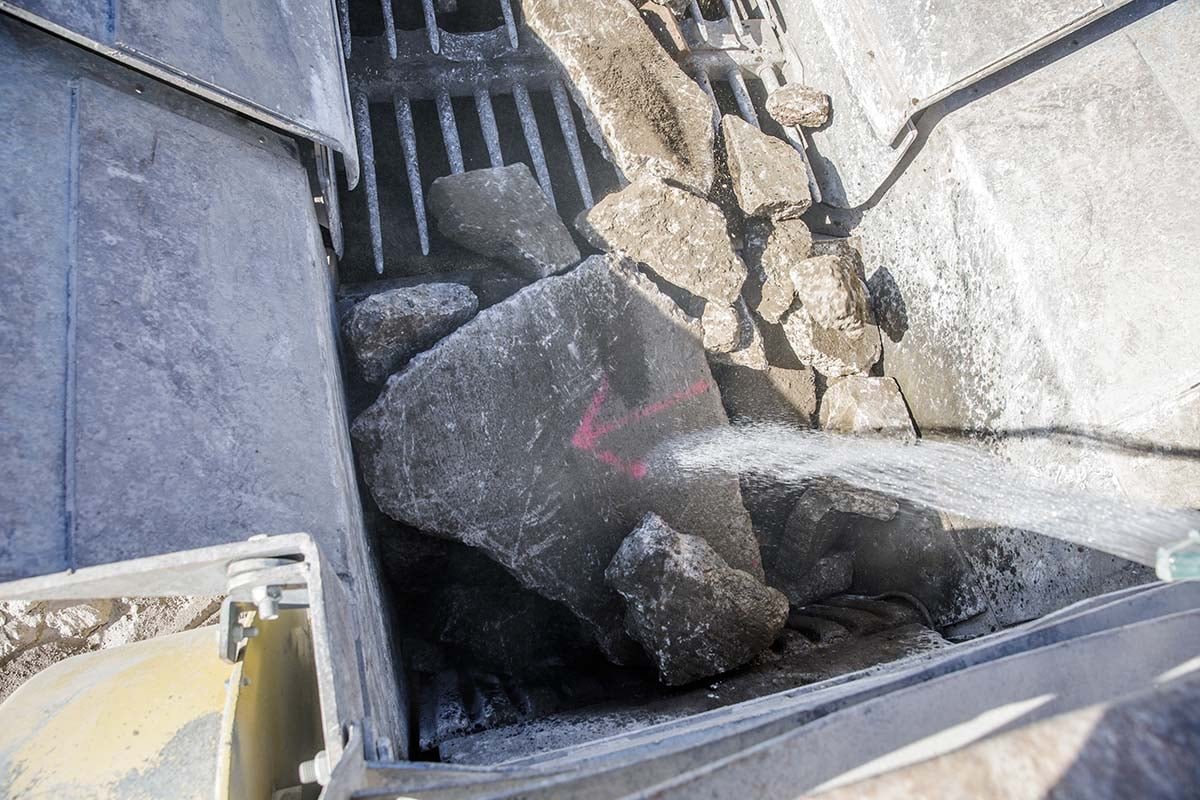
For recycled concrete, consider everything coming out of the crusher. Jaw crushers generally produce fewer fines, while impact crushers break both the original aggregate and attached mortar. Impactors also tend to produce more fines. That difference matters when your buyer wants a coarse product, or when fines already have a home in the blend.
Superior’s Liberty® Jaw Crusher offers hydraulic discharge-setting adjustment and its Sentry® Horizontal Shaft Impactor (HSI) has hydraulic curtain adjustment and different blow-bar materials. These are ways to match the setup to the feed and desired output. Then, samples of the finished material will tell you whether the settings are right.
Adding a second crusher — another stage of reduction — can give you more control over the sizes produced. For example, a jaw crusher can handle the initial reduction of large concrete pieces, while a cone crusher will further reduce oversized material. Ask yourself if that additional crushing helps produce a material customers want to buy.
3. Let the Screen Save a Pass
With RAP, crushing everything smaller can backfire.
Reducing the top size creates more dust, which might limit how much of your product an asphalt producer can use in a mix. Some consistent millings need little or no further crushing.
Before sending material through another crusher, consider whether screening may separate out usable sizes first. Material that's already the right size can bypass further crushing, while oversized can be returned for another pass. This may help reduce unnecessary crushing and the additional fines it can create, particularly when processing RAP.
For RAP, separate coarse and fine piles let the producer adjust the blend. For recycled concrete, a screen can separate a coarse fraction from material headed for another use. Both need suitable feed, testing and space to keep the products apart.
4. When Washing Is Worth It
Not every recycling operation needs washing equipment, but for some, it can turn lower-value material into products with more potential uses. Removing dirt, dust and other unwanted material from recycled aggregate improves its cleanliness, while washing and separating finer material helps recover usable sand that would otherwise remain with unwanted fines.
Different problems call for different equipment.
Rinsing removes loose dust and fine particles from recycled aggregate, while more intense washing can help remove stubborn dirt and other unwanted material. Depending on the material, additional equipment may be needed to remove lightweight contaminants such as wood or plastic.
Of course, washing adds another process to manage, including water supply, water recycling, power and handling the waste it removes. For operations already producing clean, saleable material, those added steps offer little benefit.
The opportunity is greatest when washing turns material you're already processing into another saleable product or one that commands a higher price, justifying the investment and operating costs.
5. Don't Lose It in the Stockpile
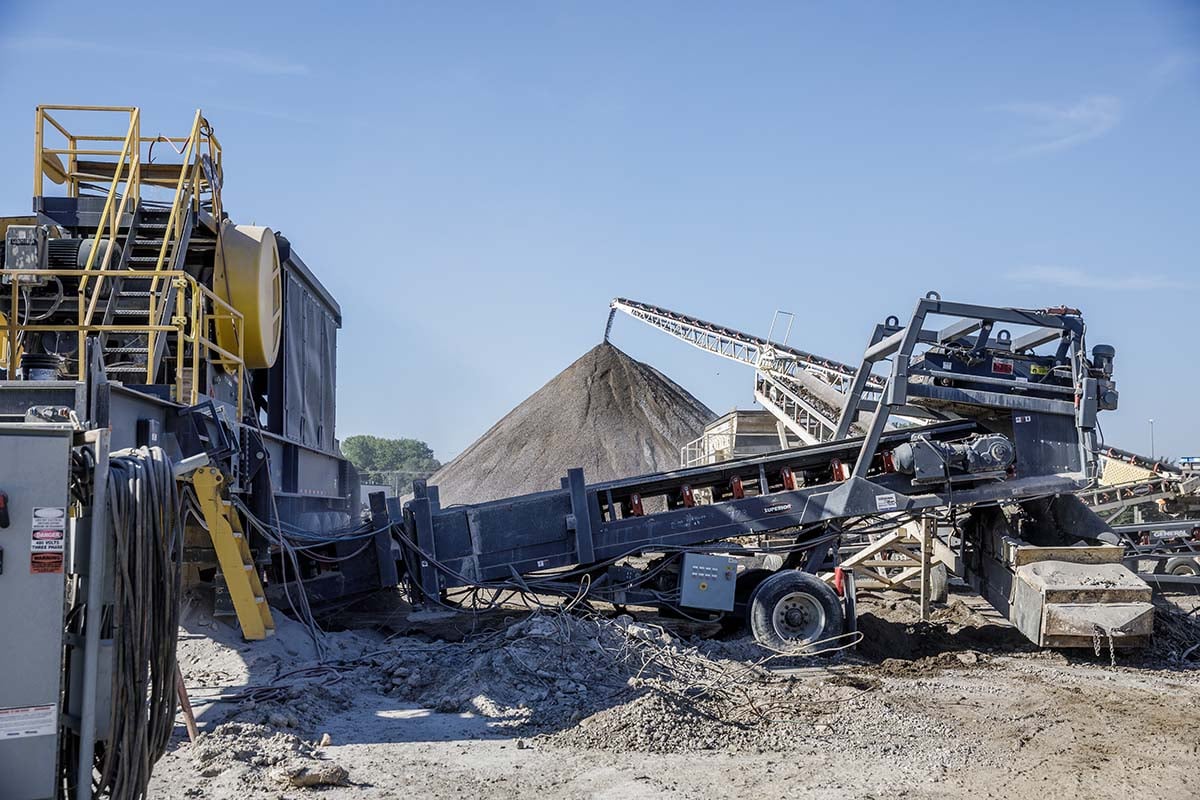
How you place and reclaim the material belongs in the equipment decision. Keep separate products from mixing back together, limit coarse and fine particles separating during stockpiling, and protect finished material from soil and debris.
Traditional stacking conveyors typically discharge material from a fixed point, which causes larger particles to roll toward the outside of the pile while finer material collects at the center. Known as segregation, this makes it harder to maintain a well-blended mix of particle sizes, increasing the risk of rejected loads.
Superior's TeleStacker® Conveyor addresses this challenge by combining radial travel, adjustable discharge heights, and a telescoping conveyor that extends and retracts as it builds the stockpile. Rather than continuously dropping material in one location, it distributes material across the pile in layers, helping reduce segregation and maintaining consistency.
For recyclers handling multiple products or large volumes, better stockpile control can mean less rehandling, more consistent material and greater confidence in what's being loaded onto the next truck.
What Could Your Pile Produce?
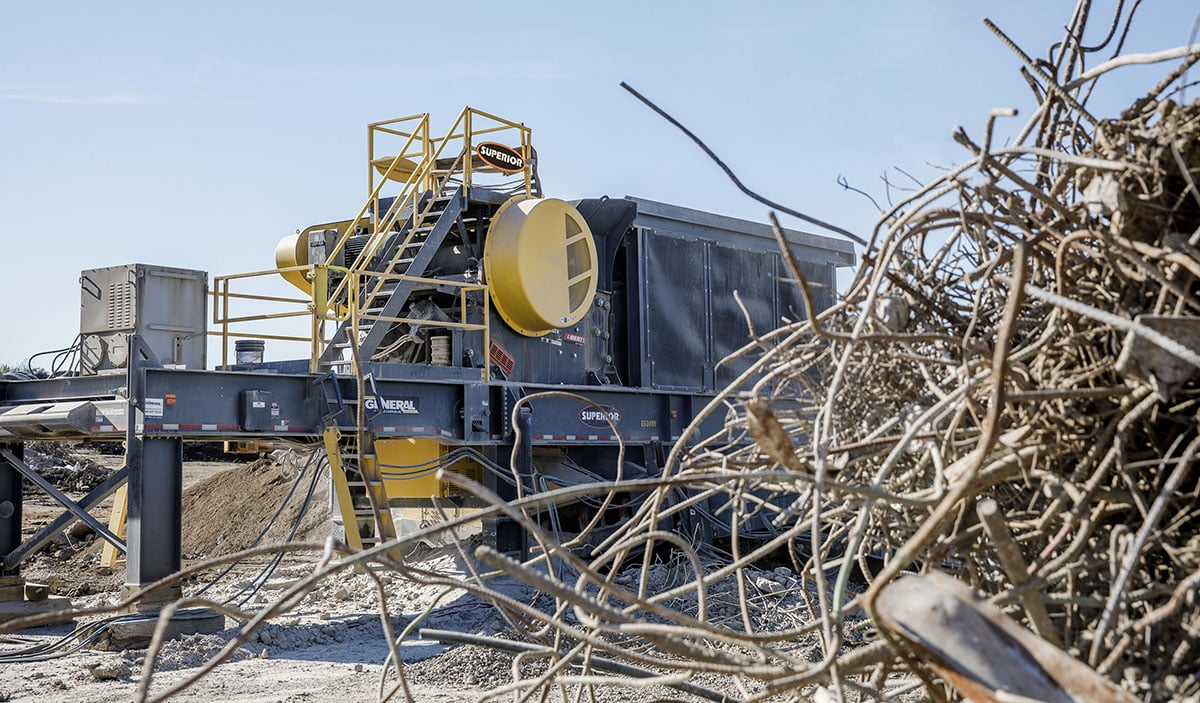
Sometimes, getting more from your material means tweaking how you crush, screen, wash or stockpile what's already there.
If you're considering expanding your processing capabilities or improving an existing operation, Superior's dealer network can help you explore the equipment options that make sense for your material and goals.
Connect with your local dealer at superior-ind.com/dealers.
Send this article to your inbox.
Want to read this later? Enter your info and we’ll email you a link to the article.