

- Washing
Share This Post
Send this Tech Tip to your inbox.
Want to read this later? Enter your info and we’ll email you a link to this article.
Related Topics
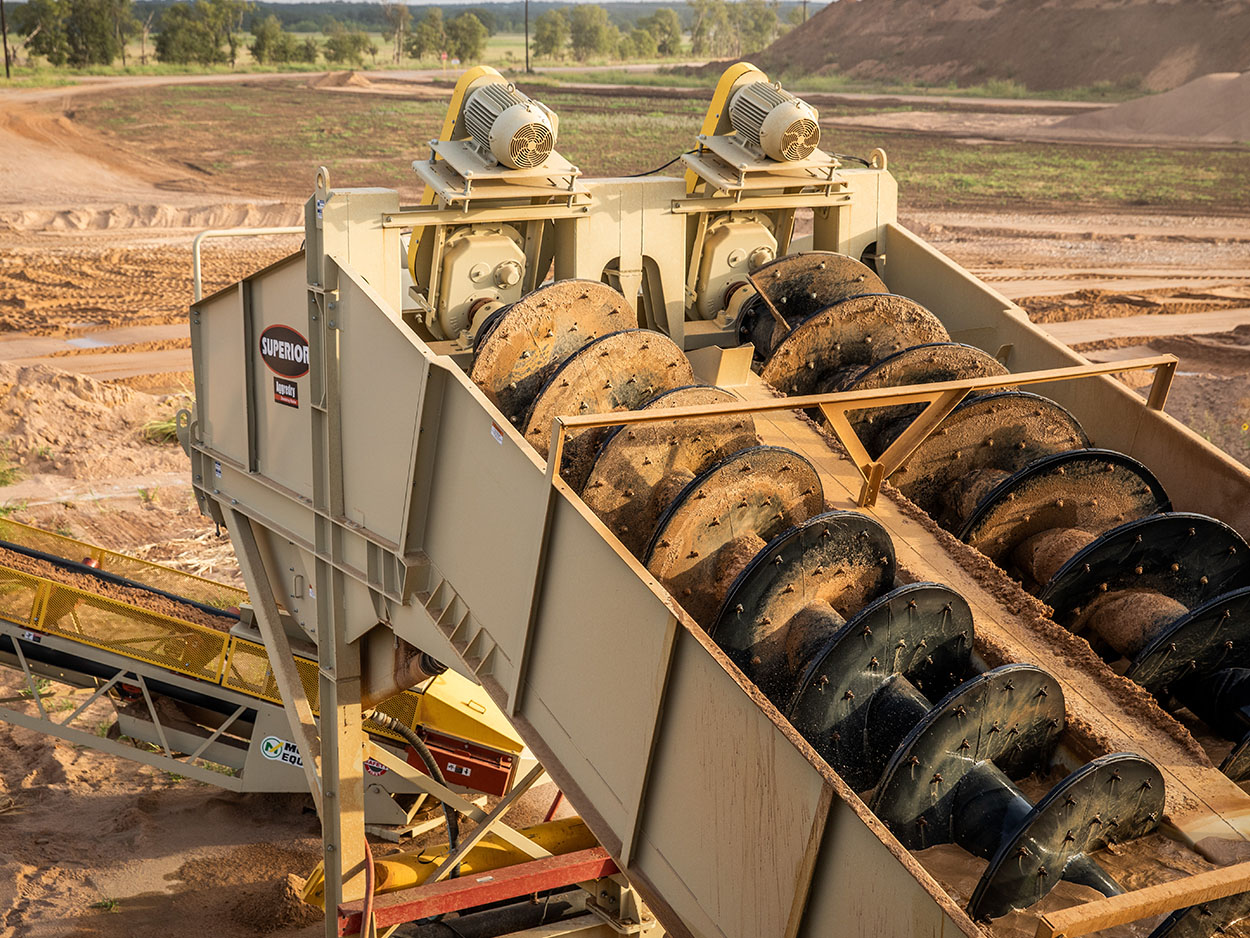
Washing equipment is often overlooked until problems become expensive. Inconsistent water flow, poor fines recovery, and inefficient washing circuits can quietly reduce product quality and profitability for months before operators notice the impact.
Many producers assume their wash plant is performing properly because it has "always worked." In reality, underperforming washing equipment can lead to significant material loss, contaminated product, excessive water consumption, rising disposal costs, and unnecessary wear on downstream equipment. In some operations, those inefficiencies can cost more than $100,000 annually.
"In many cases, issues start small and are easy to miss," says Lauren DeBow, washing applications engineer for Superior Industries. "When washing equipment goes unchecked, saleable material is often lost directly to the wastewater stream."
Every wash operation is different, which makes experienced application support valuable when evaluating equipment performance and water management strategies. DeBow recommends monitoring several early warning signs that commonly indicate inefficiencies within the washing circuit.
Preventive maintenance and routine inspections help operators identify problems before they lead to significant production losses.
Consistent wash plant performance starts with disciplined maintenance and process monitoring, including:
With proper maintenance and performance monitoring, aggregate producers can improve product quality, reduce waste, and protect long-term profitability.
Want to read this later? Enter your info and we’ll email you a link to this article.
Talk to our team or find a dealer near you.