

- Systems
Share This Post
Whether expanding capacity, relocating equipment, or launching a new operation, today’s aggregate producers are looking for plant solutions that reduce downtime, shorten lead times, and provide flexibility for the future.
Time is money after all.
That demand is driving increased interest in modular plant designs. Unlike traditional custom-built structures, modular systems use pre-engineered components that simplify installation, reduce engineering time, and allow operations to scale more easily as needs evolve.
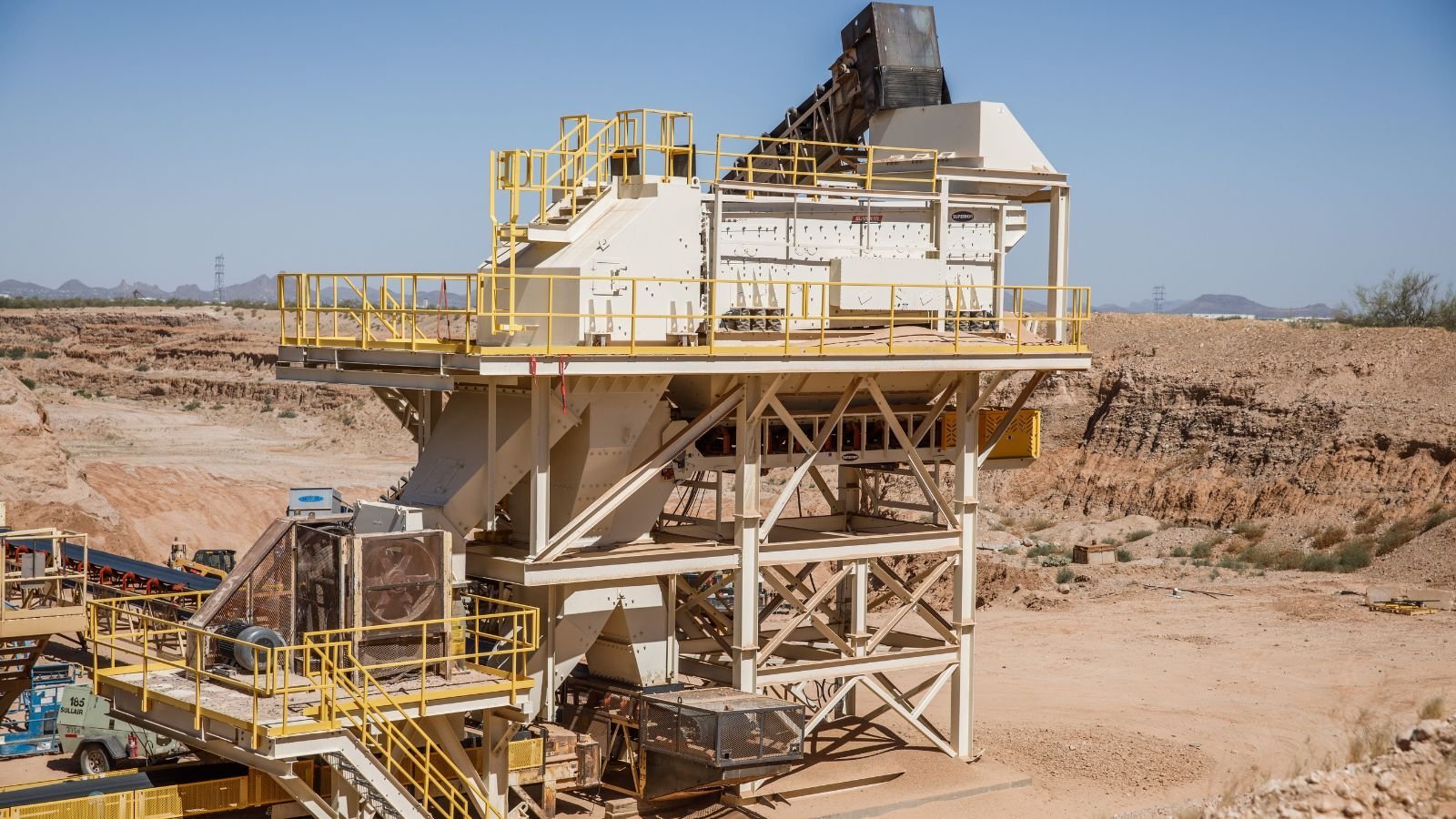
Superior’s Fusion® Modular Platform system is an example of this approach. The bolt-together design supports crushing, screening, washing, and conveying equipment through standardized modules that can be configured to suit a variety of applications.
“By definition, ‘fusion’ means joining two or more things together,” says Mark Crooks, product manager at Superior. “Our main objective is to ensure a seamless process and integration with crushing, screening, washing and conveying products.”
Faster Setup, Faster Returns
Traditional stationary plants often require extensive custom engineering and lengthy on-site construction. Modular platforms streamline that process through prefabricated sections designed for quick assembly and standardized installation.
Crooks compares the concept to modular homes. Instead of building every structural component from scratch, producers work from a proven set of standard options that reduce lead times and installation complexity.
The segmented platform design creates dedicated operational areas for crushers, screens, feeders, and conveyors while incorporating maintenance access, walkways, stairs, and service platforms. According to Crooks, this approach can reduce installation and commissioning costs by as much as one-third compared to traditional stationary plant construction.
“The standardized, self-contained modules can be easily shipped and quickly assembled,” Crooks says. “This not only reduces costs and saves time, but it’s also a practical option if future relocation is in the plan.”
Greg Vasut, territory manager at McCourt Equipment, saw those benefits firsthand during installation of a Fusion modular wash plant near Houston.
“We were able to get the customer up and producing material in a third of the time,” Vasut says. “And the plant is accomplished the same thing a traditional stick-built plant would have done.”
Built to Adapt
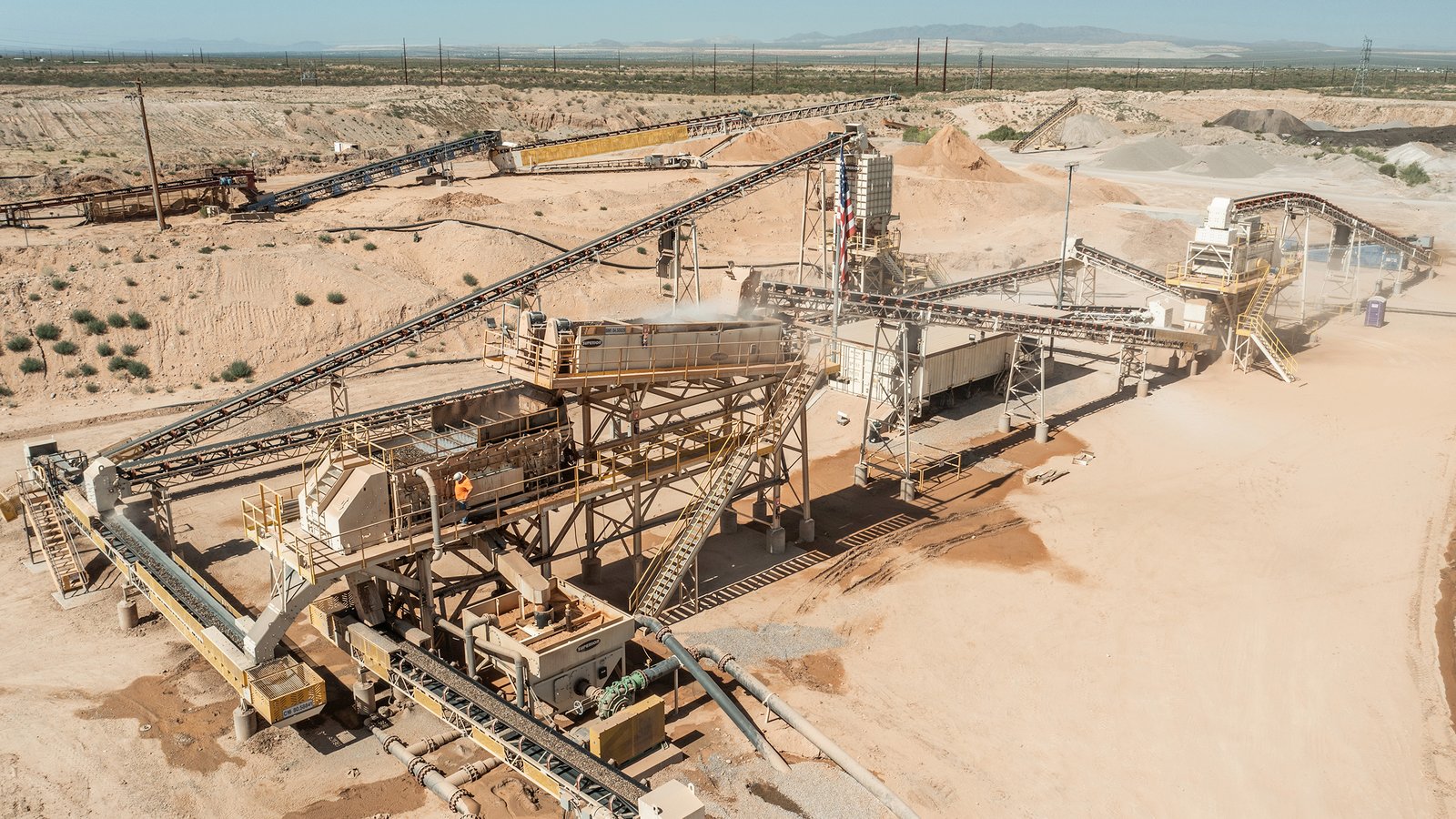
As production goals change, modular platforms can expand alongside the operation. Additional modules can be added later to increase capacity or support new processing requirements without redesigning the entire structure.
“Our scalable plant designs readily adapt to customer site development,” Crooks explains. “An upgraded primary crushing station might be the first phase, followed later by additional washing or scrubbing equipment as application needs change.”
That flexibility also helps producers respond to shifting market demand. As communities grow and infrastructure projects increase, operations can adjust production capabilities without replacing the entire plant.
Duane Martinez, site foreman at Schmidt Construction, says flexibility played a major role in selecting a Fusion modular wash plant for a Colorado sand and gravel operation.
“We weren’t 100 percent sure of what we needed,” Martinez recalls. “With Superior’s modular format, we knew that if we needed this equipment for something else down the line, we’d be able to use it in other applications."
Easier Relocation, Lower Lifetime Costs
For producers working on temporary projects or operations that may eventually move, modular platforms provide advantages that traditional permanent structures cannot match.
The systems can be disassembled, transported, and reassembled at a new location while preserving much of the original investment. In some dry applications, Crooks notes that the platform can even be installed directly on compacted ground instead of permanent concrete.
Long-term cost savings also extend beyond relocation. Standardized designs reduce engineering requirements, improve shipping efficiency, simplify maintenance access, and shorten installation timelines.
“These platforms are designed to load on the fewest number of trailers possible for more economical shipping,” Crooks explains. “Repeatable processes make these systems more cost-effective.”
As aggregate operations continue adapting to changing market demands, modular platforms offer producers a more flexible path forward, balancing scalability, speed, and long-term value in a way traditional plant construction often cannot.
Send this article to your inbox.
Want to read this later? Enter your info and we’ll email you a link to the article.