

Published: February 2026
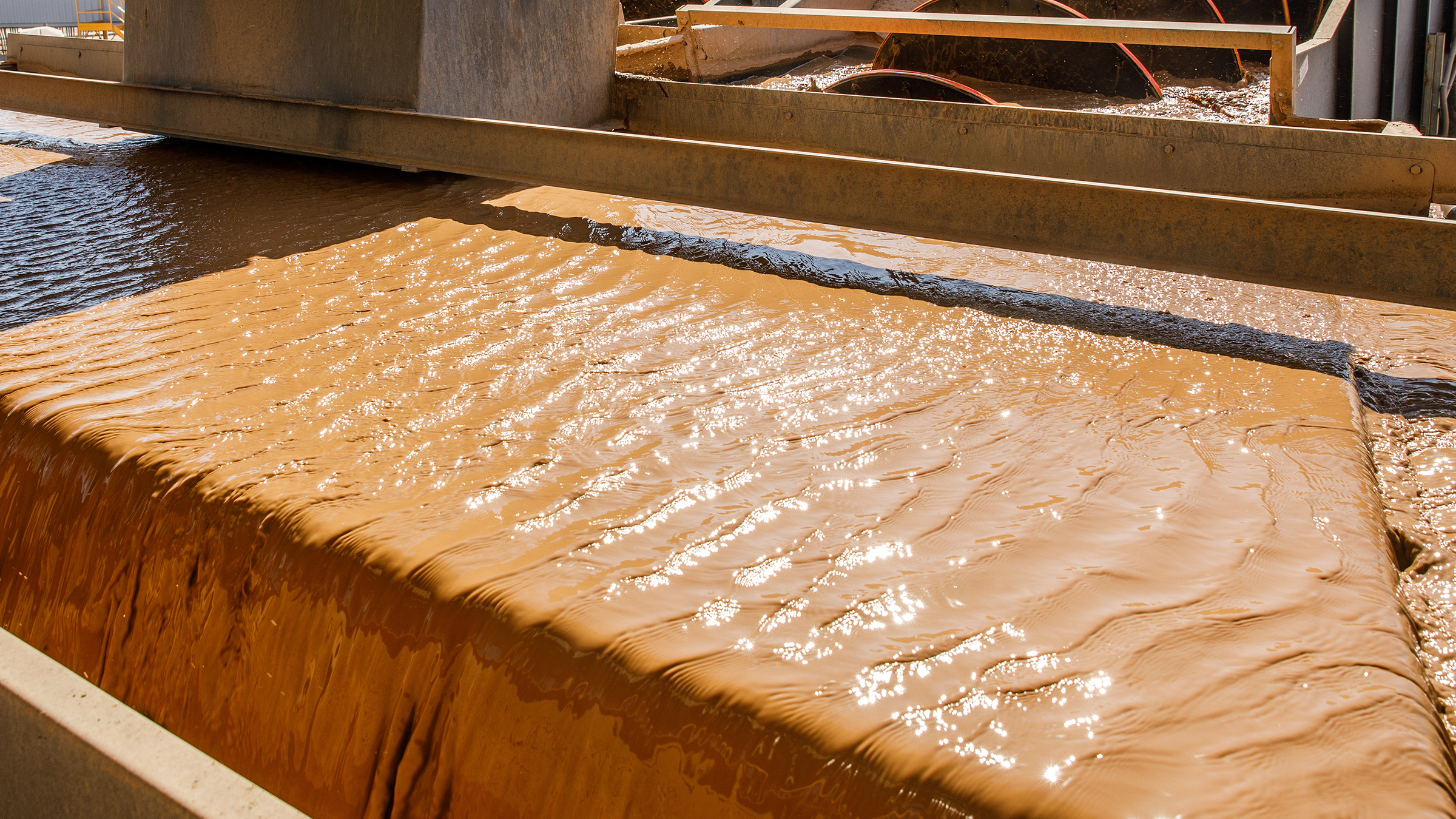
When equipment fails or operates incorrectly, saleable product that belongs in the stockpile can end up in wastewater streams, resulting in a flow of multiple problems.
Settlement ponds fill up faster, requiring additional equipment and more frequent cleaning—an expensive and time-consuming process. And, when good product enters wastewater streams, it creates operational challenges, increases costs, and reduces potential revenue.
Additionally, overfilled ponds become less efficient, resulting in dirty water returning to the plant. Much like you wouldn’t wash dishes in dirty water, aggregate operations can’t effectively process materials with contaminated water.
Understanding How Loss Occurs
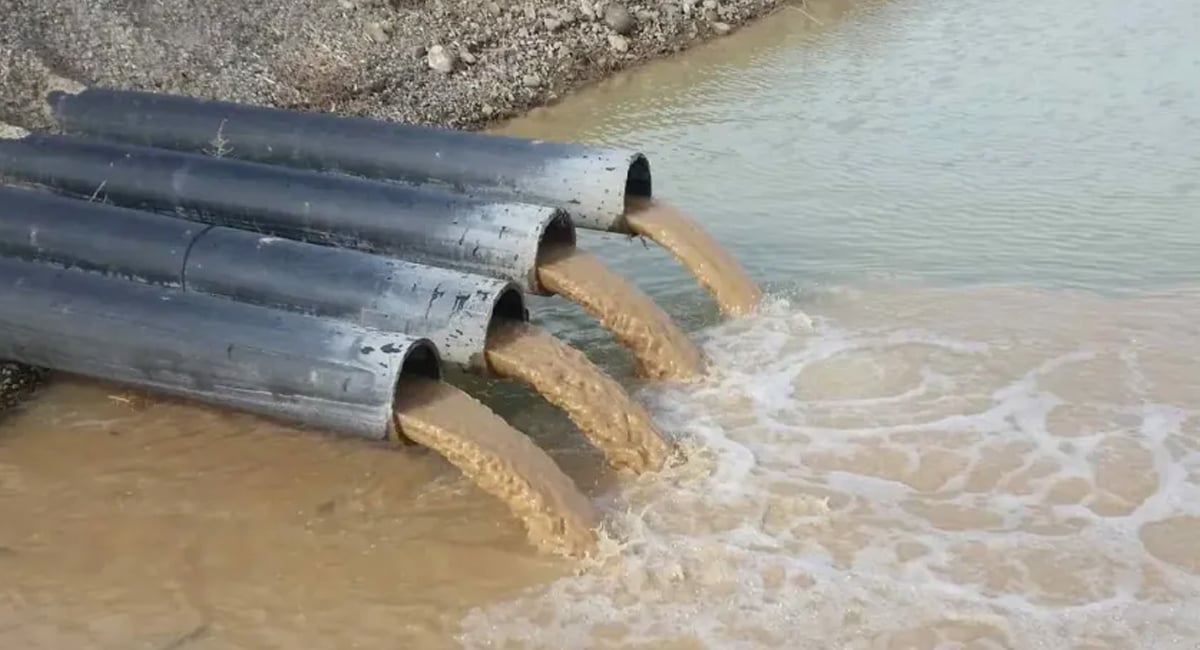
Settlement ponds are a common, economical way to handle waste. They are large, excavated basins where water containing suspended solids is directed. As particles settle to the bottom, cleaner water at the surface is recycled back into the washing process.
There are a few signs to watch for that may indicate valuable material is escaping into a pond:
-
If sand builds up quickly where slurry enters the pond and a sandbar forms, your customer is losing product upstream.
-
Equipment issues can also provide visual cues, such as sand buildup accumulating at the back of sand screws.
-
Unexpected changes in finished product gradation often point to material bypassing through a cyclone's overflow.
-
If a pond suddenly needs cleaning more often, such as every three months instead of six, it signals an upstream issue.
- Pond size matters! If it's not large enough, it fills quickly and reduces the efficiency of the process.
Washing equipment tends to deteriorate gradually over time rather than experience a large failure event, so it’s important to stay vigilant and ensure it's running in top condition.
Chemical Treatment Considerations
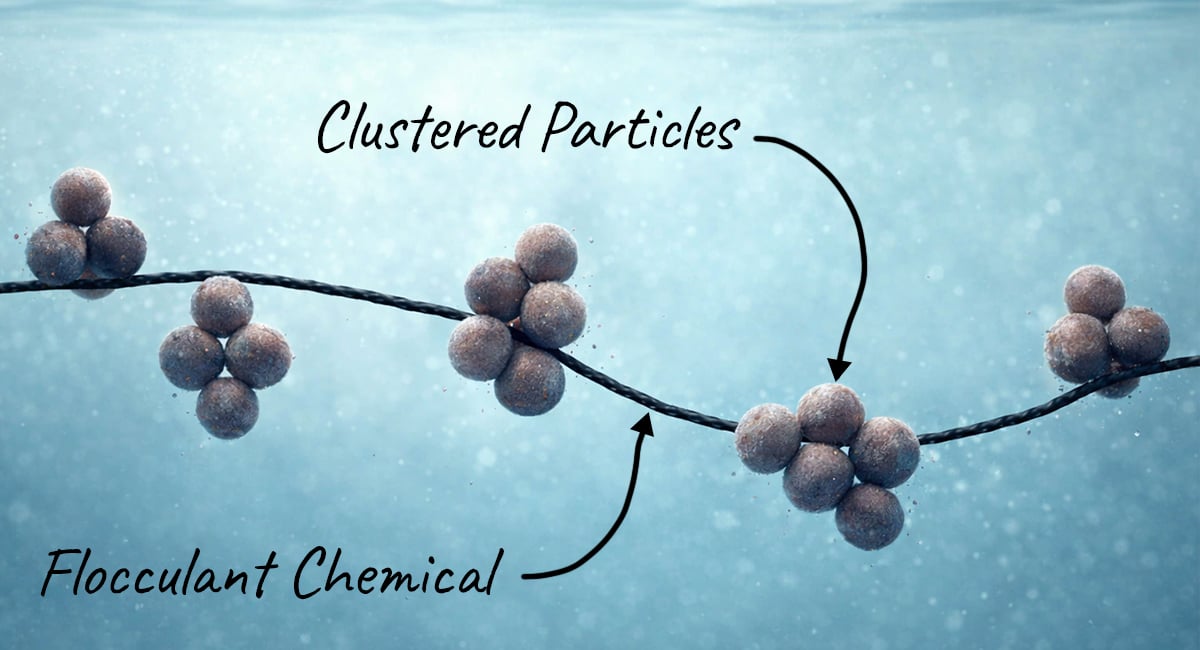
The use of flocculants—or polymer compounds that accelerate the settling of solids in wastewater—are becoming more common in the industry. They are often used where water conservation is critical, space is limited, or production exceeds the capacity of ponds.
Think of the polymer as a long string with tiny magnets. They attract fine particles and the growing clump becomes heavy enough to sink to the bottom of the pond, speeding up water clarification.
When using treatments, the proper balance of chemicals is crucial. When it's over-applied, excess polymer can re-enter the wash plant, leading to buildup and performance challenges.
This has especially poor impact on washing equipment like sand screws, where excess polymer can cause fine material to settle inside the unit, leading to buildup and reduced washing performance.
The Bottom Line
Preventing valuable material from entering settlement ponds requires attention to detail throughout the production process.
Regular monitoring, proper maintenance, understanding material variations, and effective pond management all contribute to keeping saleable product where it belongs...in the stockpile!