

- Screening
Share This Post
Do Inclined Screens Always Outperform Horizontal Screens?
When discussing screening efficiency, people often say, “Well, I can always’ get more capacity from an inclined screen.”
Ed Sauser, a product manager at Superior, says he hears that all the time. So, is it true? Do inclined screens “always” outperform horizontal screens?
When choosing screens, Sauser notes that producers are most concerned about throughput, product gradations, and fines removal. Some may assume that since inclined screens operate at a steeper angle (15° - 20°), gravity alone will lead to more throughput.
However that’s not always the case, especially when the inclined screen is overloaded—a common situation that leads to material carryover, recirculating loads, and costly out-of-spec product.
Throughput Equals Efficiency
“When selecting and sizing a screen, we’re focusing on what we can get through the deck openings, not over or across them,” says Sauser, explaining that more capacity on an inclined screen is often just more material skipping across the surface instead of through the deck openings.
Plant operators often equate faster material travel rates on inclined screens with higher production. In truth, the horizontal screen always outperforms an overloaded inclined when measuring sellable tons per hour.
Horizontal screens appear slower yet consider that the more time material remains on the deck, the more opportunities for proper stratification. Without the latter, producers face higher costs per ton due to increased wear and material reprocessing.
Matching Screen to Spec
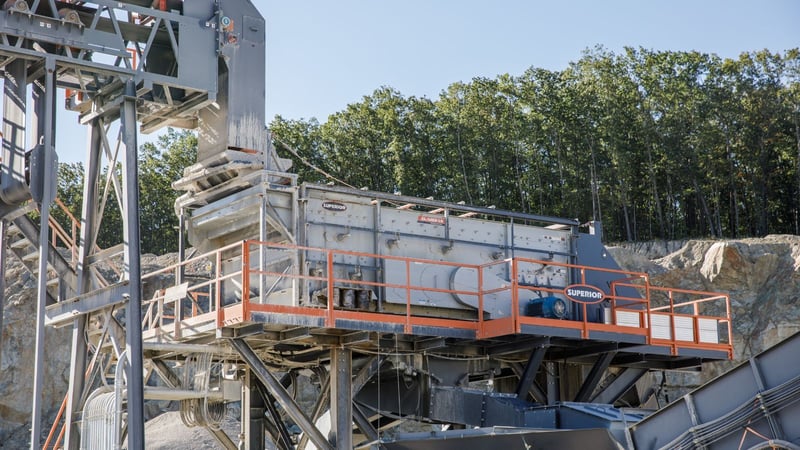
Sauser stresses that each screen type has its advantages and each has its place in the industry.
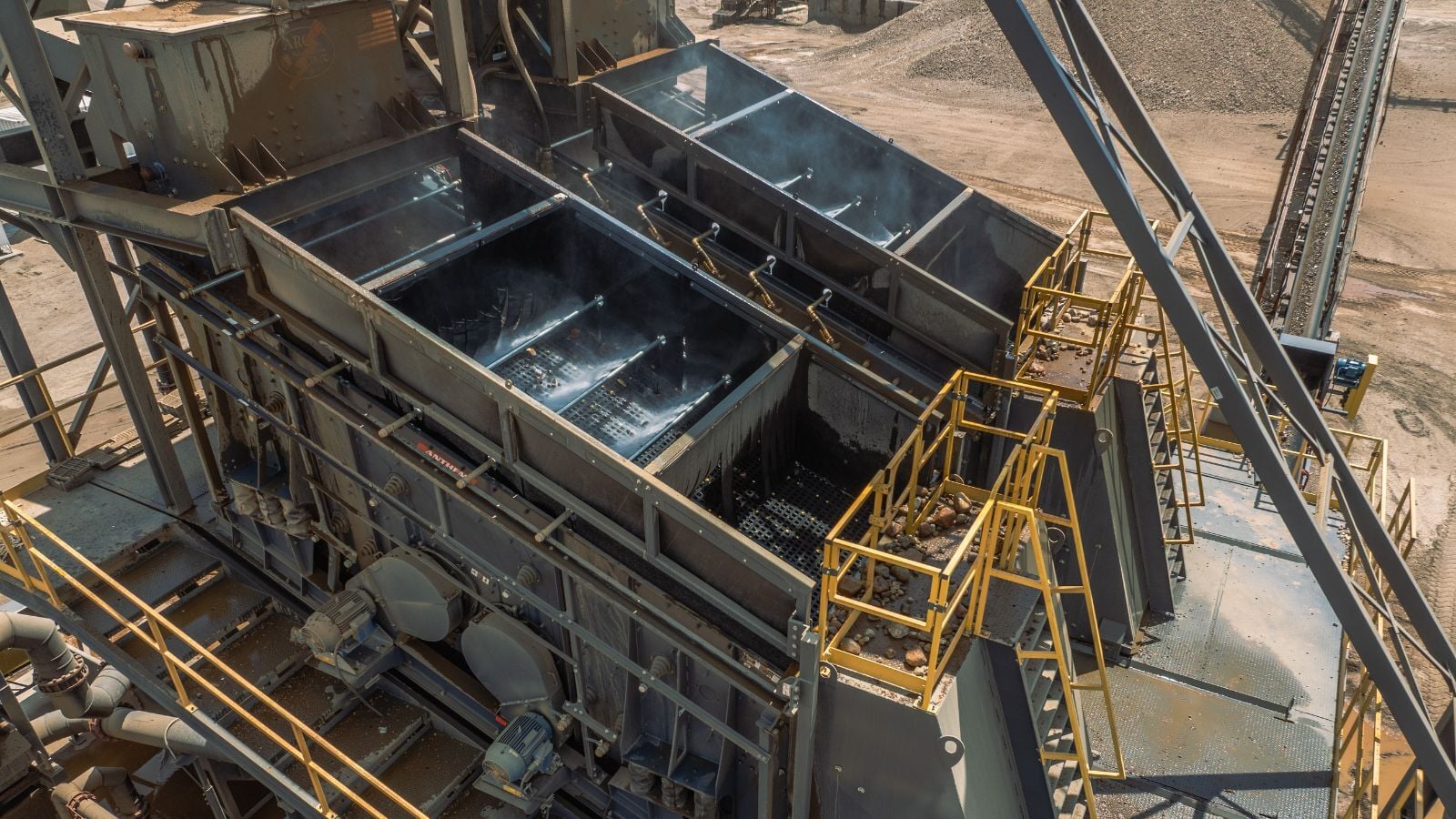
He notes that one of the most popular screens on the market is the elliptical-stroke horizontal screen, a high-energy machine with twice the horsepower and G-force of typical units.
Sauser goes on to explain that horizontal screens accommodate heavier bed depths, allowing these units to perform exceptionally well in wet, sticky, high-moisture applications, or those where precision stratification produces tight, exacting specifications.
Alternatively, inclined screens require less energy while making use of gravity. Typically demanding a smaller capital investment, inclined screens are ideally suited to higher-volume applications, with less stringent specifications.
Capacity Isn’t Everything
The common perception that inclined screens always outperform horizontal screens is a myth. Each screen type has its strengths and the choice of either depends upon the specific application, material parameters, and production goals.
The key takeaway on screen types? Inclined screens are great for speed and volume in general applications. Horizontal screens are best for precision stratification, fines recovery, and overall efficiency.
Remember, more tons across the screen deck does not always equal more high-quality, in-spec product.
Send this Tech Tip to your inbox.
Want to read this later? Enter your info and we’ll email you a link to this article.