

Published: March 2026
Many producers face similar challenges when building or upgrading a plant. Go custom, and you’re committing to longer timelines and less flexibility. Try to keep things simple, and you may give up performance or future options.
Fusion Modular Platforms offer a different path.
Instead of designing everything from the ground up, these are pre-engineered, bolt-together structures that support Superior's crushing, screening, washing, and conveying equipment. The result is a plant that’s easier to plan, quicker to build, and ready to adapt as needs change.
“By definition, fusion means to join two or more things together,” says Mark Crooks, a product manager at Superior. “And our main objective is to do that seamlessly, integrating the equipment.”
For dealers, it’s a system worth knowing well, especially as more customers look for flexible (and faster) ways to build and grow.
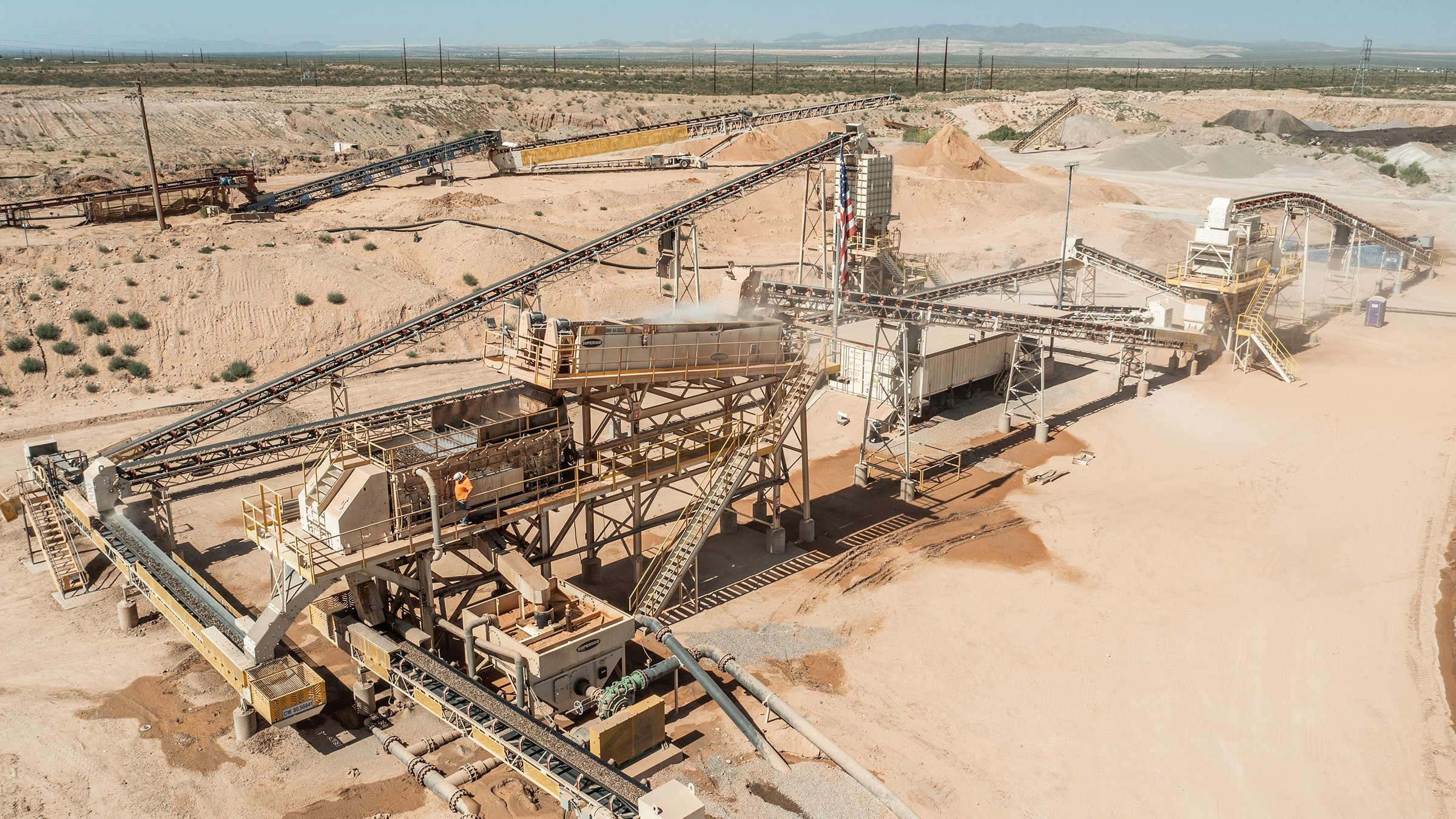
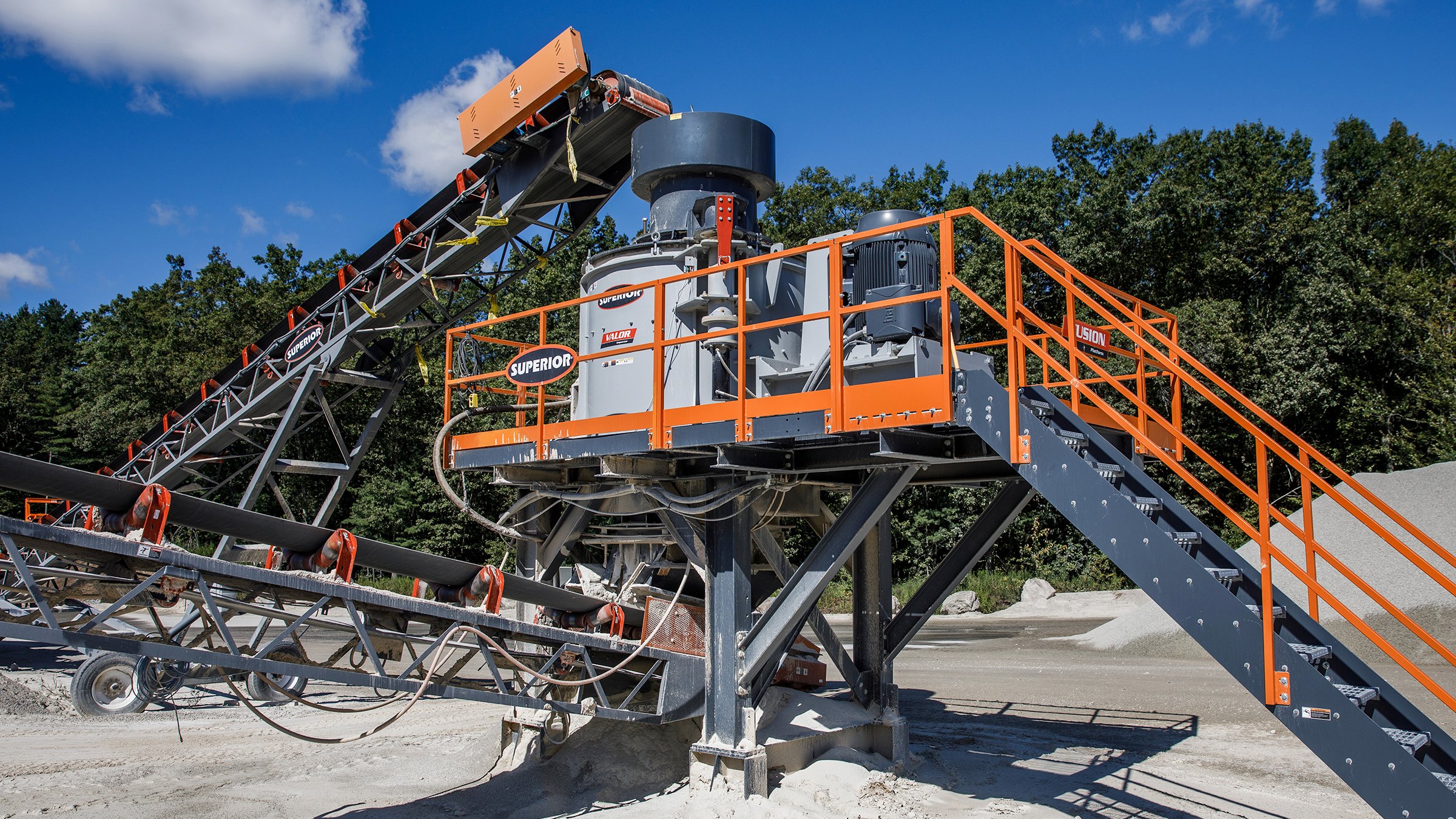 As simple as this VSI platform with a few conveyors, or as complete as a full processing plant like the one shown below, Fusion Platforms are built to scale.
A Faster Path to Production
Traditional stationary builds require extensive engineering and longer on-site construction, which can delay production. That’s where Fusion Platforms hit, because time is often the biggest pressure point for your customers.
Modules arrive as pre-engineered sections, ready to assemble, reducing installation time and simplifying setup. In some cases, producers are up and running in about one-third of the time compared to a traditional plant.
“Think about it like a modular home,” Crooks says. “Instead of building everything from scratch on-site, you’re working with pre-assembled pieces from the factory, which reduces cost, shortens lead times, and speeds up installation.”
This speed makes a real difference in how quickly a customer starts generating revenue.
Designed to Grow with Demand
Plant needs rarely stay the same. As reserves change or markets shift, producers often need to adjust capacity or add new processing stages.
With Fusion Plants, those changes don’t require starting over.
Additional modules can be added over time, allowing them to expand capacity or introduce new equipment without redesigning the entire system.
“Our scalable plant designs readily adapt to customer site development,” Crooks explains. “It gives producers the ability to expand as their needs change, instead of locking everything in upfront.”
For dealers, that opens the door to phased conversations, starting with what the customer needs today and building from there tomorrow.
Flexibility That Travels
Some operations are built around long-term reserves. Others move from project to project.
Fusion Plants are designed to handle both.
Because the platforms can be disassembled and reassembled, producers have the option to relocate equipment instead of leaving it behind. In certain applications, systems can even be installed without permanent foundations, making moves even more practical.
In simple terms, what goes up on one site can be taken down and used again on the next. That kind of flexibility helps protect their investment and gives producers more options over time.
A System Worth Knowing
Building a plant today isn’t just about capacity. It’s about staying flexible when business conditions change.
Fusion Modular Platforms give dealers a way to offer faster builds, phased expansion, and equipment that doesn’t get stuck at one site.
It’s not just a different way to build a plant. It matches how many of your customers actually like to invest, grow, and adapt.