
Published: June 2026
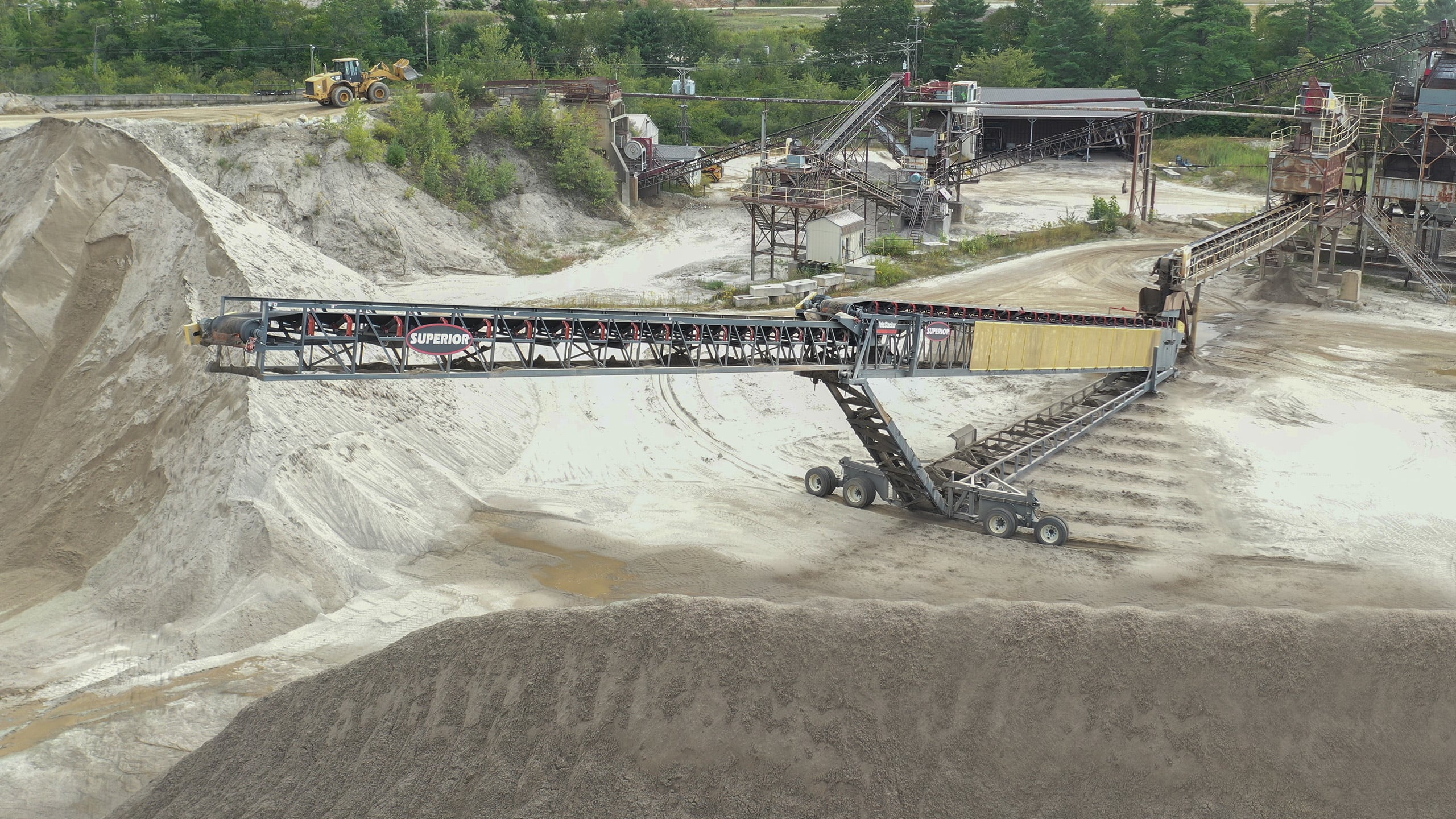
Depending on who’s counting, there are as many as a dozen manufacturers offering telescoping conveyors in North America today. Despite that growing competition, Superior's TeleStacker Conveyor continues to lead the market.
Our shared leadership is shaped by more than 2,000 applications, thousands of conversations with dealers, and nearly 30 years of lessons in the field.
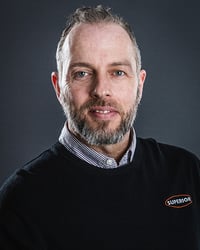
"The market has changed dramatically since the first telescopic conveyor was introduced in the 1990s,” says Scott Gulan, Superior's director of business development. "Today, it's a crowded field of competitors with newer designs that remind us of lessons we learned years ago."
The Hidden Differences
As more telescoping stackers enter the market, end users can struggle to identify meaningful differences between machines. Similar capacities, lengths, and specifications can make products appear to match on paper.
For dealers, the experience isn't just a talking point...it's a sales tool!
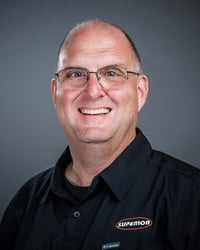
"We've built a knowledge base that can help dealers approach projects with confidence," says Tom Koehl, a conveyor applications engineer at Superior. "Whether it's unusual materials, site constraints, stockpile requirements, or something else, there's a good chance we've seen it before."
During CONEXPO-CON/AGG, several of Superior's conveyor engineers spent time studying competing telescopic stackers on display. In many cases, they noticed design approaches that reminded them of challenges from Superior's past. Things like:
- Chain-driven systems that introduce additional maintenance through tensioning, lubrication, and wear components.
- Winch placements, that look good in AutoCAD, but make service access and maintenance much more difficult in the field.
- Weak undercarriage configurations that allow material to enter the sliding telescoping joint instead of shedding away from the structure.
Swipe to Compare Structural Support


The Protected Advantages
Competitors can study a machine, borrow ideas, and develop similar concepts. What they can't do is duplicate patents developed through decades of refinement.
According to Scott Gulan, Superior currently maintains seven patents across its telescoping conveyor product line, each representing a solution to a challenge.
- FB® Undercarriage: Developed to support longer conveyors and larger stockpiles, Superior's fully-braced undercarriage improves stability and reduces structural flex. Today, the design is used across all models, helping deliver stability and safety.
- Auto Level Technology: Standard on FD Axle models equipped with PilePro™ Automation, this patented feature automatically levels the conveyor during radial travel, helping prevent belt mis-tracking—a top frustration for conveyor operators.
- XTP Swing Axle: For customers who prefer a swing axle configuration, this patented design simplifies the transition between transport and operation through faster power-travel engagement, fewer setup components, and improved wheel alignment.
- 210' Road-Portable Design: Developed to overcome the structural challenges that come with longer conveyors, this patented support structure allows operators to build larger stockpiles while maintaining the stability and portability requirements needed for road transport.
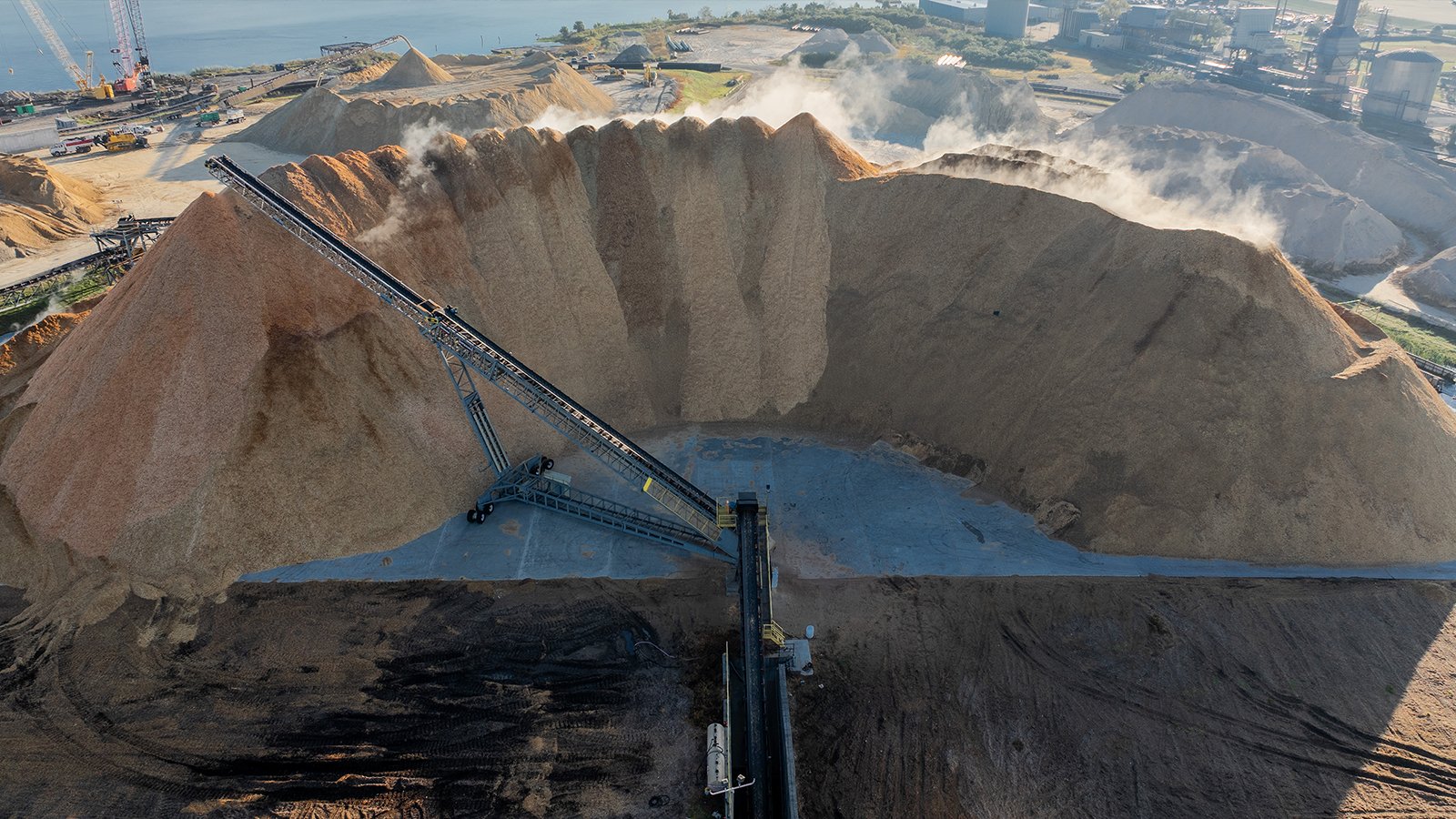 This 36" x 210' model at a Jacksonville, Florida, marine terminal represents the type of project that has driven Superior's growth into the world's longest portable telescopic radial stacking conveyors.
The Feedback Loop
Those patented innovations reflect lessons from the past, while the next lessons are already shaping future enhancements. Many of today's ideas start with dealer feedback from the field, where service technicians and sales teams interact with the stackers daily.
Superior recently began gathering a small group of experienced dealers for regular conversations with its conveyor engineering team. Feedback from vets like Tom Bond (McCourt Equipment), Don Kern (General Equipment & Supplies), and Todd Uphoff (Kimball Equipment) is helping identify opportunities and prioritize future enhancements.
Those who stay current with The Orange Edge will soon learn about updates aimed at reducing setup time, simplifying maintenance, and improving the day-to-day experience for operators.
You don't need a seat at these meetings to influence the future. Call anyone at Superior to share your thoughts. The next great idea could come from you and your customers.