

- Washing
Share This Post
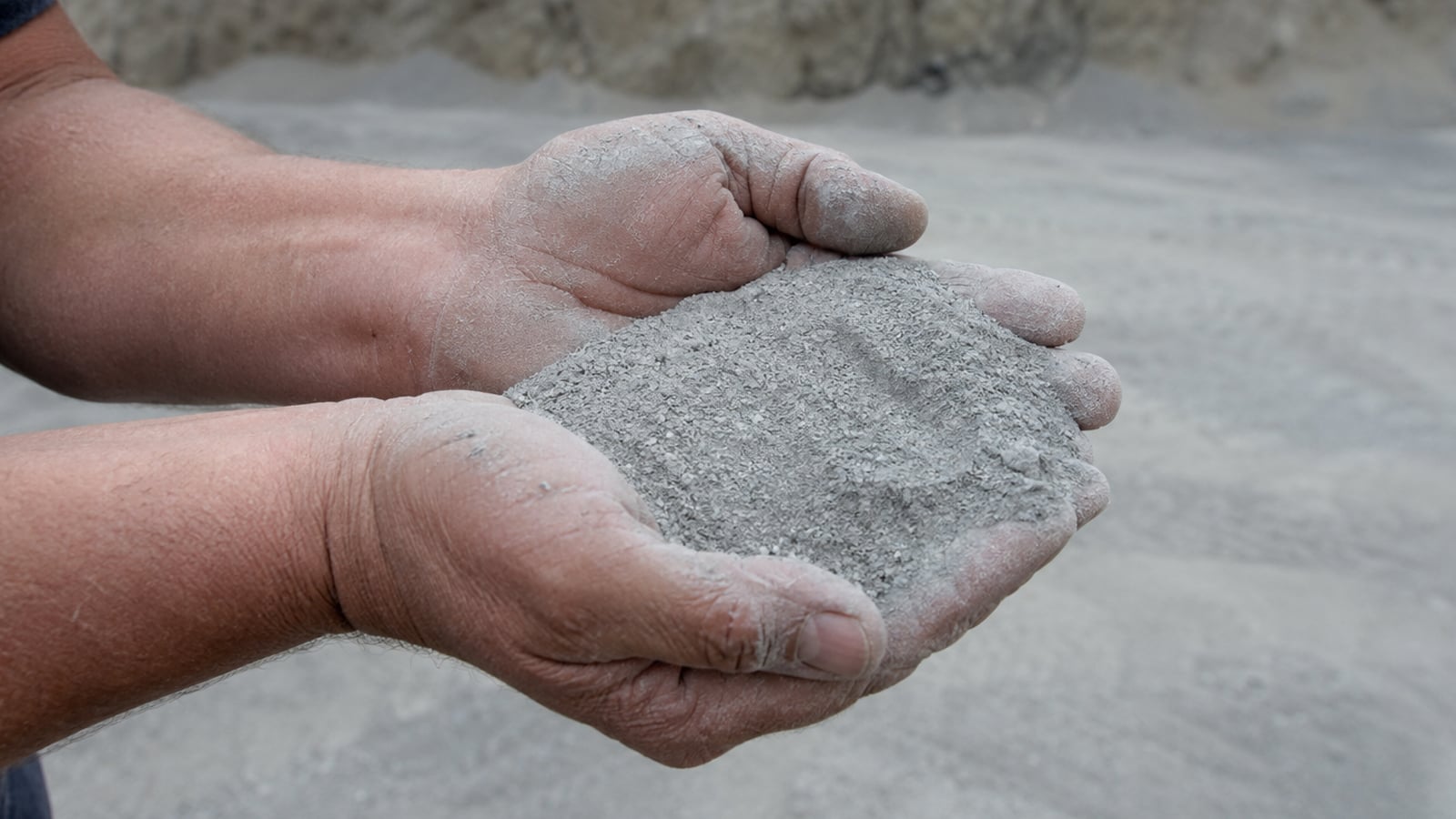
Excess fines in aggregate can quietly reduce product quality, increase production costs, and lower the value of finished materials. Whether you're producing concrete aggregate, asphalt materials, manufactured sand, or crushed stone, managing fines is one of the most effective ways to improve plant efficiency and profitability.
The good news is that the right washing equipment, combined with sound operating practices, can remove unwanted fines, recover more saleable material, and help lower operating costs.
What Are Fines in Aggregate?
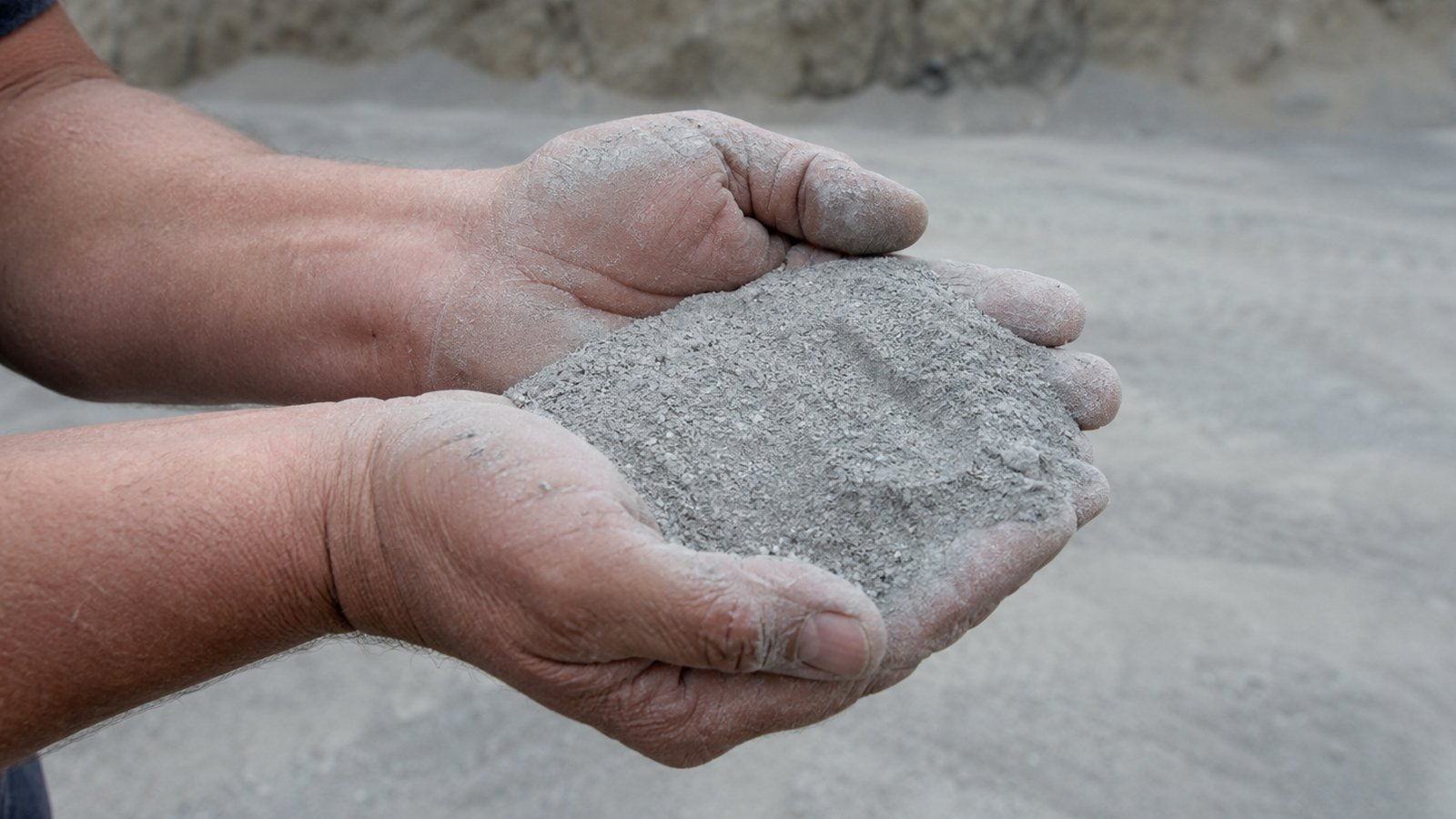
In aggregate production, the term fines can mean different things depending on the application. Crushing operations often refer to anything smaller than ¼-inch as fines, while washing applications typically define fines as material passing a 200-mesh sieve.
These tiny particles may be naturally occurring clay and silt or mineral dust created during the crushing process. Regardless of their source, excessive fines can create challenges throughout the plant.
Why Do Excess Fines Matter?
Too many fines affect nearly every downstream process.
-
Concrete producers need more water and cement to get a desired mix.
-
Asphalt producers require more binder to properly coat aggregate.
-
Crushed stone producers often cannot sell screenings until they're washed into a marketable product.
In every case, excessive fines increase production costs while reducing the value of the finished product.
How Does Washing Remove Fines?
Most aggregate producers rely on water-based washing systems to separate valuable material from unwanted fines. The best solution depends on the material being processed, desired product specifications, available water, and production requirements.
-
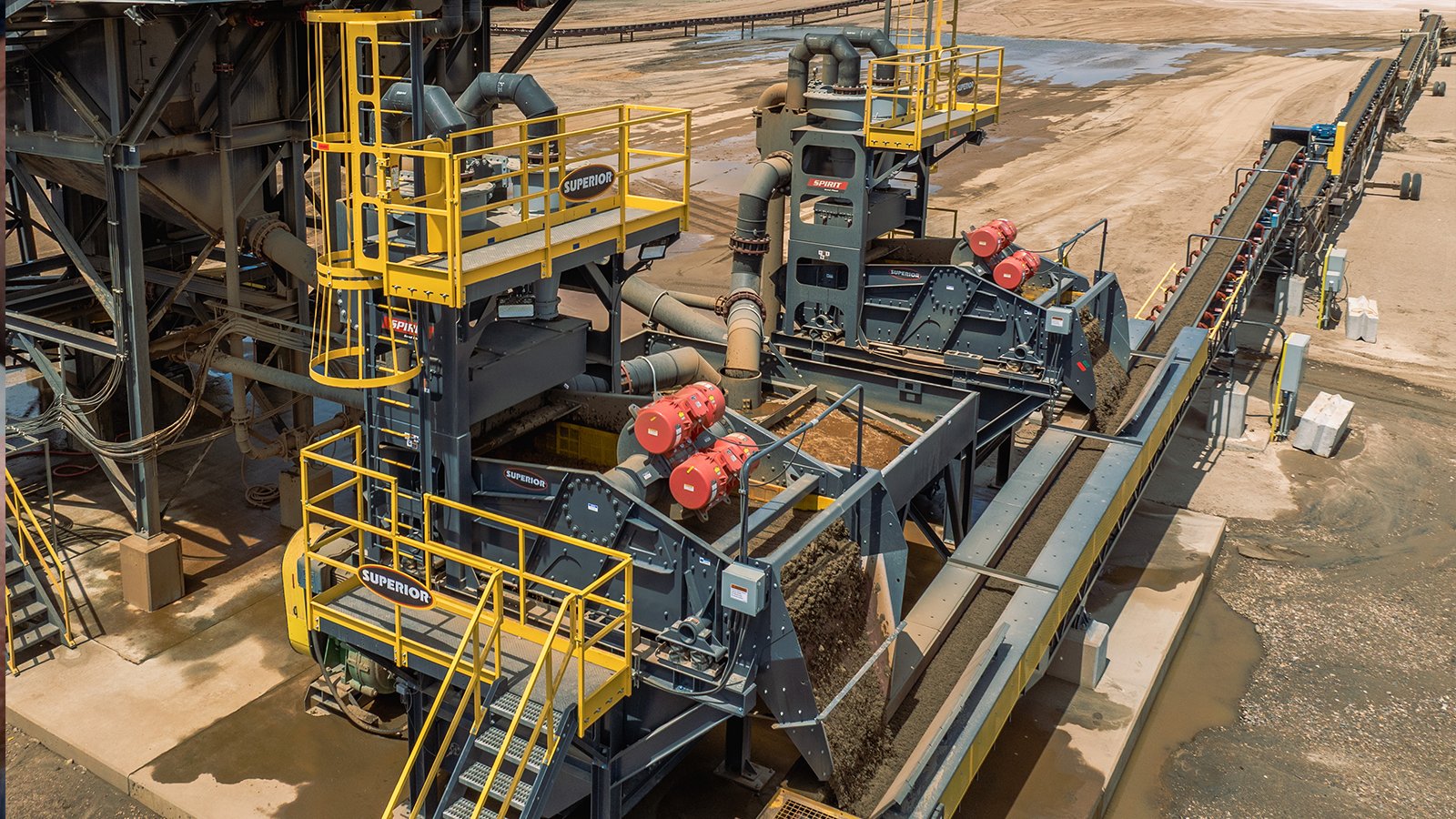
Sand screws, or fine material washers, remain one of the most common solutions. They remove 200-mesh while producing clean, dewatered sand that's ready for stockpiling or further processing.
- Hydrocyclones separate fine particles from heavier sand using a high-speed swirling flow of water. Although they require more horsepower than sand screws, they provide precise classification and are well suited for operations focused on maximizing water recovery.
- For processing 100% crushed stone, Low Water Washers are an alternative. Because they accept dry feed, these systems remove fines while using significantly less water than conventional equipment.
- Some operations combine sand screws with dewatering screens to produce cleaner, drier stockpiles while improving overall plant efficiency. Pairing technologies can also increase material recovery.
 Why Does It Matter?
The right washing equipment is only part of the equation. Achieving consistent results requires an operation where equipment sizing, maintenance, water management, and upstream processing all work together to produce a clean, marketable product.
It starts with the washing system itself. Properly sized equipment maximizes material recovery while minimizing water consumption, and many modern systems reclaim more than 90% of process water to reduce freshwater demand and lower operating costs. Just as important, routine inspections and regular product quality checks help identify wear before valuable material is lost to the settling pond or product specifications begin to drift.
Beyond the wash circuit, upstream equipment also plays an important role. Efficient crushers, screens, and spray bars reduce the amount of unnecessary fines entering the washing system, allowing it to operate more efficiently while producing cleaner, more consistent products.
Frequently Asked Questions
What are fines in aggregate?
In washing applications, fines are typically defined as material passing a 200-mesh sieve. They may consist of naturally occurring clay and silt or dust generated during crushing.
Why are fines a problem?
Excess fines can increase cement or asphalt binder consumption, reduce finished product quality, and make some aggregate products unsaleable.
How are fines removed from aggregate?
Most producers remove fines using water-based washing systems such as sand screws, hydrocyclones, and dewatering equipment. The best solution depends on the material, production goals, and available water.
What equipment removes 200-mesh material?
Sand screws and hydrocyclones are designed to separate 200-mesh material from saleable aggregate while recovering as much valuable product as possible.
Are all fines bad?
Not all fines are undesirable. Many products, including manufactured sand and asphalt aggregates, benefit from a controlled amount of clean, manufactured fines. The goal of washing isn't to eliminate fines altogether, but to remove excess or contaminating fines while producing spec material.
Send this article to your inbox.
Want to read this later? Enter your info and we’ll email you a link to the article.